
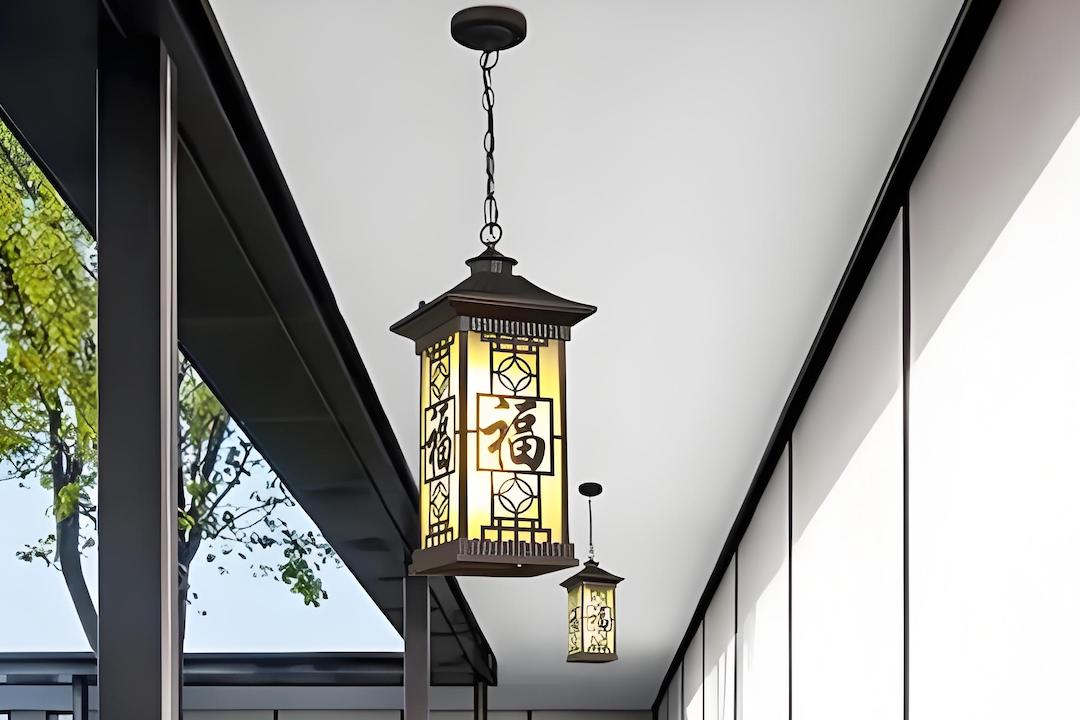
Enhance Your Outdoor Space with Stylish Patio Hanging Light Fixtures
The outdoor living area, often an extension of the indoor home, offers opportunities for both relaxation and entertainment. Effectively illuminating this space is crucial for its functionality and aesthetic appeal after daylight hours. Patio hanging light fixtures serve as a primary component in achieving this, providing both practical illumination and a decorative element. This article explores various aspects of selecting, installing, and maintaining these fixtures to enhance your outdoor environment.
The Role of Illumination in Outdoor Design
Outdoor lighting Ratedecor is more than just a means to dispel darkness; it is an integral aspect of landscape and architectural design. Strategic placement of lights can accentuate features, create atmosphere, and improve safety.
Defining Outdoor Zones
Just as interior spaces are divided into functional areas, outdoor environments benefit from defined zones. Lighting plays a key role in delineating these spaces. For instance, brighter task lighting might be appropriate for a grilling area, while softer, ambient light could be preferred for a conversation nook. Patio hanging lights, by their very nature, cast a downward or diffused glow, making them ideal for defining overhead boundaries and intimate settings. Consider your patio as a canvas; light fixtures are the brushes that bring it to life after dusk.
Enhancing Safety and Security
Beyond aesthetics, outdoor lighting is a fundamental safety feature. Well-lit pathways and steps mitigate the risk of trips and falls. Hanging lights, particularly those positioned over traffic areas, can significantly improve visibility. Furthermore, a brightly lit outdoor area can act as a deterrent to unwelcome intruders, contributing to the overall security of your property. The presence of light acts as a silent guardian, broadcasting that the area is occupied and observed.
Contributing to Ambiance
The psychological impact of lighting is substantial. Warm, dim lighting can foster a sense of comfort and relaxation, encouraging repose. Cooler, brighter light may be more invigorating, suitable for social gatherings. Patio hanging fixtures offer a diverse range of light temperatures and intensities, allowing homeowners to curate the desired mood for various occasions. Think of light as the invisible architect of mood, shaping perceptions and emotions.
Types of Patio Hanging Light Fixtures
The market offers a wide array of patio hanging light fixtures, each with distinct characteristics and applications. Understanding these differences is crucial for informed selection.
Pendant Lights
Pendant lights, characterized by a single light source suspended from a cord or chain, are versatile and can be used individually or in groupings. They are particularly effective for creating focal points over dining tables or seating areas.
Material Considerations for Pendants
The material of a pendant light significantly impacts its durability and aesthetic. Common materials include weather-resistant metals (such as stainless steel, aluminum, or bronze), glass, and synthetic composites. The chosen material should complement the existing outdoor décor and withstand local climatic conditions. For example, fixtures exposed to saltwater air will require highly corrosive-resistant materials.
Style Variations in Pendant Lights
Pendant lights come in numerous styles, ranging from contemporary minimalist designs to rustic lanterns. Consider the architectural style of your home and patio when making a selection. A modern patio might benefit from sleek, geometric pendants, while a more traditional space could be enhanced by ornate or vintage-inspired fixtures.
String Lights
String lights, often composed of multiple bulbs strung along a single cord, offer a festive and adaptable lighting solution. They are popular for creating a whimsical or celebratory atmosphere.
Bulb Types in String Lights
String lights commonly utilize incandescent, LED, or Edison bulbs. LED string lights are energy-efficient and possess a longer lifespan, making them a cost-effective choice in the long run. Edison bulbs, while less efficient, offer a warm, nostalgic glow.
Configuration and Placement of String Lights
String lights can be draped across pergolas, fences, or between support poles. Their flexibility allows for creative configurations, from straight lines to intricate patterns. The key is to ensure adequate support to prevent sagging and maintain tension.
Lanterns
Outdoor hanging lanterns often evoke a classic or traditional aesthetic. They typically feature enclosed light sources, providing diffused illumination and protection from the elements.
Design Elements of Lanterns
Lanterns frequently incorporate glass or frosted panels and decorative frames. Materials often include metal, sometimes with distressed or antique finishes. Some modern interpretations of lanterns offer a contemporary twist on this classic design.
Functional Aspects of Lanterns
Beyond their decorative appeal, lanterns are built to withstand outdoor conditions. Their enclosed design offers superior protection for the bulb, making them a durable choice for exposed areas.
Chandeliers
Outdoor chandeliers, while less common than their indoor counterparts, can introduce a touch of elegance and grandeur to larger patio spaces, particularly those with covered structures.
Scale and Proportion for Outdoor Chandeliers
When considering an outdoor chandelier, scale is paramount. A chandelier that is too small will be lost in a large space, while one that is too large can overwhelm it. Measure your patio area and ceiling height to ensure appropriate sizing.
Weather Resistance of Outdoor Chandeliers
Outdoor chandeliers require robust construction and weather-resistant components to endure exposure to moisture, UV radiation, and temperature fluctuations. Look for fixtures specifically rated for outdoor use.
Installation Considerations for Hanging Light Fixtures
Proper installation is critical for the safety, longevity, and optimal performance of patio hanging light fixtures.
Electrical Requirements and Safety
All outdoor electrical work should conform to local electrical codes and be undertaken by a qualified electrician if you are not experienced. This includes ensuring proper wiring, grounding, and the use of weather-rated junction boxes and receptacles.
GFCI Protection
Ground Fault Circuit Interrupter (GFCI) outlets are mandatory for outdoor electrical circuits. These devices rapidly cut off power in the event of a ground fault, significantly reducing the risk of electrical shock. Treat electricity with respect; it is a powerful tool, not a plaything.
Weatherproof Enclosures
All electrical connections and wiring must be housed in weatherproof enclosures to prevent moisture ingress, which can lead to shorts and electrical hazards. Look for fixtures and components rated for wet or damp locations.
Mounting and Support
The method of mounting and the structural integrity of the support are crucial for hanging light fixtures.
Overhead Structures
For permanent installations, hanging lights typically attach to pergolas, gazebos, eaves, or other sturdy overhead structures. Ensure the chosen attachment point can bear the weight of the fixture and withstand wind loads. Use appropriate hardware, such as lag screws or heavy-duty anchors.
Temporary Solutions
For string lights or temporary arrangements, tension cables or dedicated light poles can provide support. These options offer flexibility in placement and can be easily removed or repositioned. Ensure poles are adequately anchored to prevent tipping.
Cord Management
Tangled or exposed cords present both an aesthetic and safety concern. Effective cord management is essential for a clean and functional outdoor space.
Concealing Cords
Whenever possible, route cords discreetly along structural elements or within conduits. This minimizes visual clutter and reduces tripping hazards. Consider the path of the sun; cords exposed to prolonged UV can degrade over time.
Securing Cords
Use outdoor-rated ties, clips, or staples to secure cords firmly in place. Avoid leaving cords dangling, as they can become entangled or damaged by wind.
Choosing the Right Light Source
The type of bulb used in your patio hanging fixture significantly influences its performance, energy consumption, and the overall ambiance created.
LED (Light Emitting Diode)
LEDs are currently the most popular choice for outdoor lighting due to their energy efficiency, long lifespan, and durability.
Energy Efficiency of LEDs
LEDs consume significantly less power than traditional incandescent bulbs, leading to reduced electricity bills and a smaller environmental footprint. This is akin to switching from a gas-guzzling car to an electric vehicle for your daily commute.
Longevity and Durability
LED bulbs typically last tens of thousands of hours, far exceeding the lifespan of incandescent bulbs. They are also more resistant to vibrations and temperature extremes, making them suitable for outdoor applications.
Color Temperature Options
LEDs are available in a wide range of color temperatures, from warm white (2700K-3000K) to cool white (4000K-5000K). Warm white light is often preferred for creating a cozy and inviting outdoor atmosphere.
Incandescent Bulbs
While less efficient than LEDs, incandescent bulbs offer a characteristic warm glow that some users prefer for its traditional appeal.
Warmth and Color Rendering
Incandescent bulbs produce a full spectrum of light, which often results in excellent color rendering, making objects appear true to their natural colors. Their warm, yellowish light can enhance a rustic or vintage aesthetic.
Heat Output and Lifespan
Incandescent bulbs generate considerable heat and have a relatively short lifespan compared to LEDs. This can be a disadvantage in hot climates or where energy efficiency is a priority.
Smart Lighting Integration
Modern outdoor lighting systems can be integrated with smart home platforms, offering enhanced control and customization.
Remote Control and Scheduling
Smart lighting allows users to control fixtures remotely via smartphone apps or voice commands. This includes turning lights on/off, dimming, and scheduling automated operations. Imagine orchestrating your patio lights with a tap, like a conductor with an orchestra.
Dimming and Color Changing Capabilities
Many smart LED fixtures offer dimming capabilities and the ability to change color, allowing for dynamic adjustments to the outdoor ambiance. This versatility empowers users to adapt the lighting to suit various moods or events.
Maintenance and Care for Outdoor Light Fixtures
Regular maintenance ensures the optimal performance, longevity, and aesthetic appeal of your patio hanging light fixtures.
Regular Cleaning
Outdoor fixtures are exposed to dust, pollen, insects, and environmental pollutants. Regular cleaning keeps them looking their best and prevents buildup that can diminish light output.
Cleaning Materials
Use a soft cloth, mild soap, and water for cleaning most outdoor fixtures. Avoid abrasive cleaners or harsh chemicals that can damage finishes or delicate components. For glass panels, a streak-free window cleaner can be effective.
Frequency of Cleaning
The frequency of cleaning will depend on your local environment. In dusty or high-pollen areas, more frequent cleaning may be necessary. A quarterly cleaning schedule is generally a good starting point.
Bulb Replacement
While LED bulbs have a long lifespan, other bulb types will eventually require replacement.
Matching Bulb Specifications
When replacing bulbs, ensure the new bulb matches the wattage, base type, and voltage specifications of the fixture. Using an incorrect bulb can lead to damage or safety hazards.
Safe Replacement Practices
Always turn off the power to the fixture before replacing a bulb. Allow the old bulb to cool down before handling, as incandescent bulbs can become very hot.
Wiring and Connection Inspection
Periodically inspect wiring and connections for signs of wear, corrosion, or damage.
Checking for Fraying or Cracking
Exposed wires can become frayed or cracked due to UV exposure or physical stress. Address any such damage promptly by repairing or replacing the affected wiring.
Ensuring Tight Connections
Loose electrical connections can cause intermittent light operation or pose a fire hazard. Ensure all connections within junction boxes and at the fixture are tight and secure.
Protecting Fixtures from Extreme Weather
While outdoor fixtures are designed to withstand the elements, certain precautions can extend their lifespan in extreme weather conditions.
Covering During Severe Storms
In areas prone to severe storms, consider temporarily covering delicate fixtures or taking down string lights to prevent damage from strong winds or hail.
Rust and Corrosion Prevention
For metal fixtures, apply a protective sealant or wax annually to prevent rust and corrosion, particularly in coastal areas where saltwater exposure is common.
In conclusion, patio hanging light fixtures are a multifaceted tool for transforming outdoor spaces. From illuminating functional areas and enhancing safety to shaping ambiance and contributing to aesthetic appeal, their role is significant. By carefully considering the types of fixtures, installation requirements, choice of light source, and diligent maintenance, you can create an inviting, functional, and visually appealing outdoor environment that serves as a seamless extension of your home.