
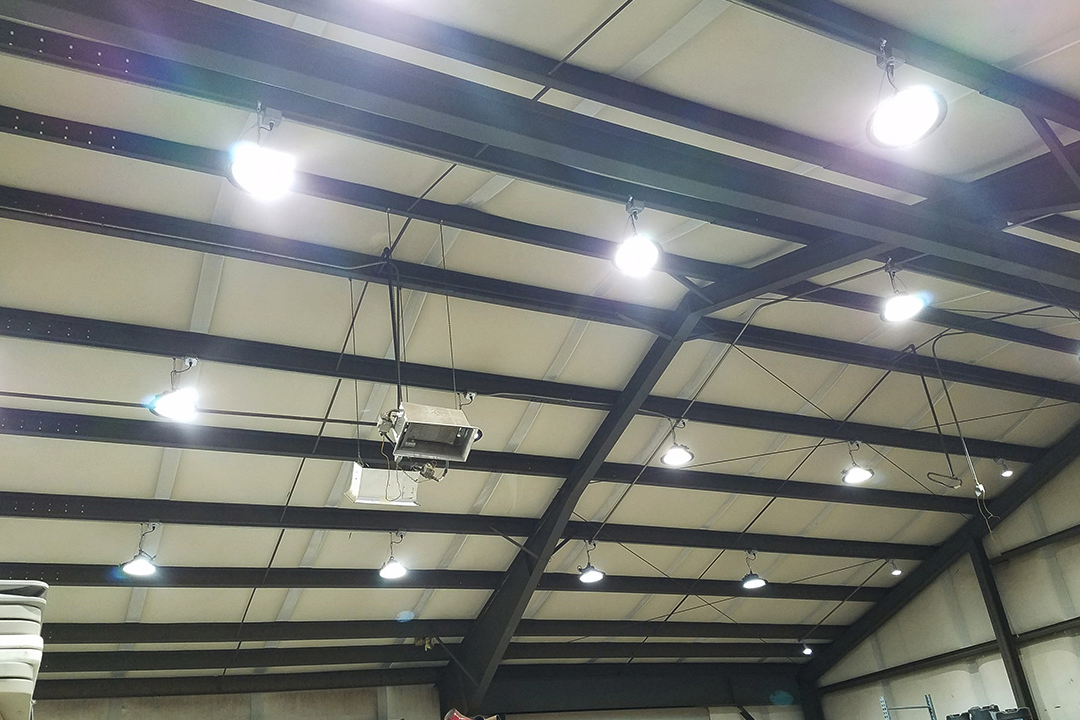
Maximize Productivity with Industrial LED Ceiling Lamp
Looking to boost productivity in your commercial or industrial space? Upgrading your lighting to industrial LED ceiling lamps is a smart, practical investment that can make a real difference. Right off the bat, these lamps provide superior illumination, directly impacting worker comfort, focus, and safety, which all lead to increased output.
Let’s cut to the chase: traditional lighting often falls short in demanding environments. Fluorescent tubes hum, flicker, and cast a dull, yellowish light. High-intensity discharge (HID) lamps take ages to warm up and cool down, and their color rendering can be abysmal. Industrial LED ceiling lamps Revopin, on the other hand, offer a host of advantages that directly translate into a more productive workspace.
Instant On, No Flicker
One of the most noticeable benefits is the instant-on capability of LEDs. Unlike fluorescents that sometimes hum or flicker before fully illuminating, LEDs provide immediate, consistent light. This might seem minor, but that momentary delay and potential flicker, even subliminal, can be disruptive and contribute to eye strain over a full workday.
Superior Light Quality and Color Rendering
This is a big one. Good light quality is more than just brightness. It’s about how clearly you can see colors and details. LEDs offer a high Color Rendering Index (CRI), often 80 or above, meaning they accurately represent colors. In environments where precision and detail matter, like manufacturing, assembly, or even artwork, this is invaluable.
Reduced Glare and Eye Strain
Poorly designed lighting can cause significant glare, leading to eye strain, headaches, and general discomfort. Industrial LED fixtures are often designed with optics that distribute light evenly and minimize direct glare. This creates a much more comfortable visual environment, allowing employees to focus on their tasks without battling discomfort.
Boosting Focus and Cognitive Performance
It’s not just about seeing clearly; it’s about how light affects our brains. Studies have consistently shown that good lighting can improve cognitive function and mood, directly impacting productivity.
Optimized Color Temperature
The “color temperature” of light, measured in Kelvin (K), plays a significant role in our alertness. Cooler, bluer light (around 5000K-6500K) is often associated with alertness and focus, making it ideal for tasks requiring high concentration. Warmer light (around 2700K-3000K) tends to be more relaxing. Industrial LED ceiling lamps give you the flexibility to choose the right color temperature for your specific work environment. For a bustling factory floor or a detailed assembly line, a cooler white light can keep minds sharp.
Consistent Brightness Throughout the Day
Unlike some older lighting technologies that degrade in brightness over time, LEDs maintain consistent light output for a much longer period. This means there are no “dim spots” developing gradually, ensuring a uniformly lit workspace that supports continuous focus.
Impact on Circadian Rhythms
Our bodies have an internal clock, our circadian rhythm, which is heavily influenced by light. Exposure to appropriate light levels during the day helps regulate this rhythm, promoting alertness during work hours and better sleep at night. Well-designed LED lighting in a workspace can help align these rhythms, leading to more energized and focused employees.
Enhancing Safety and Reducing Errors
Safety is paramount in any industrial setting. Good lighting isn’t just a comfort; it’s a critical safety feature. Better visibility directly reduces the risk of accidents and errors.
Improved Visibility of Hazards
Bright, even illumination makes it easier to spot potential hazards like spills, obstructions, or moving machinery. This is especially crucial in areas with heavy foot traffic or equipment operation. Clear visibility means quicker reactions and fewer accidents.
Better Task Illumination
For intricate tasks, such as reading small labels, performing quality checks, or operating complex machinery, precise and sufficient light is non-negotiable. LEDs can be directed and focused more effectively than traditional lights, ensuring that the critical work areas are perfectly lit. This reduces the likelihood of misreading, incorrect assembly, or operational mistakes.
Reduced Shadowing
Poorly placed or insufficient lighting can create harsh shadows, obscuring important details. Industrial LED ceiling lamps, especially those with good diffusion and proper placement, minimize shadowing, ensuring that every corner of the workspace is adequately lit, leaving no room for hidden dangers.
Long-Term Cost Savings and Sustainability
Beyond the immediate productivity gains, industrial LED ceiling lamps bring substantial long-term financial and environmental benefits, making them a truly smart investment.
Significant Energy Consumption Reduction
This is often the first thing people think of when they consider switching to LEDs, and for good reason. LEDs consume significantly less energy than traditional lighting sources like fluorescents or HIDs. This directly translates into lower electricity bills, which can be a substantial saving for large industrial facilities that operate lights for many hours a day. The energy savings alone can often justify the upfront investment within a few years.
Extended Lifespan and Reduced Maintenance
Traditional industrial lights have relatively short lifespans and require frequent bulb replacements and maintenance. Every time a lamp needs changing, it’s not just the cost of the new bulb, but also the labor involved, which can be significant, especially in high-bay applications where lifts or specialized equipment are needed. LEDs, on the other hand, boast lifespans of 50,000 hours or more, often lasting 5-10 times longer than older technologies. This drastically reduces maintenance frequency and associated costs, freeing up maintenance staff for other critical tasks and minimizing disruption to operations.
Lower Cooling Costs
Unlike incandescent or even some fluorescent lights, LEDs generate very little heat. In large industrial spaces, especially during warmer months, this can translate into noticeable savings on air conditioning costs. Reducing the heat load from lighting means your HVAC system doesn’t have to work as hard, further contributing to overall energy efficiency.
Environmental Benefits
From a sustainability perspective, LEDs are a clear winner. Their lower energy consumption means a reduced carbon footprint. Furthermore, unlike fluorescent lamps, LEDs do not contain hazardous materials like mercury, making them safer for disposal and more environmentally friendly throughout their lifecycle. Choosing LEDs demonstrates a commitment to sustainability, which can be a valuable aspect of your company’s public image.
Considerations When Choosing Industrial LED Ceiling Lamps
Making the switch isn’t as simple as just picking the brightest light. To truly maximize productivity and cost-effectiveness, there are a few important factors to consider.
Light Distribution and Beam Angle
Different tasks and ceiling heights require different light distribution patterns. Some fixtures are designed for wide, even floodlighting across a large area, while others are better for more focused illumination. Understanding the beam angle (how wide the light spreads) is crucial to ensure optimal coverage without creating hotspots or dark areas. For high ceilings, a narrower beam might be needed to carry light effectively to the floor, while lower ceilings might benefit from a wider spread.
Dimming Capabilities and Smart Controls
Flexibility is key. The ability to dim lights allows you to adjust illumination levels based on task requirements, time of day, or natural light availability. Integrating with smart control systems – such as occupancy sensors, daylight harvesting sensors, or scheduled lighting programs – can further enhance energy efficiency and adaptability. For instance, lights could dim when there’s ample natural light or turn off automatically in unoccupied areas. This not only saves energy but also provides a more dynamic and responsive lighting environment.
Durability and IP Rating
Industrial environments are often harsh, with dust, moisture, and potential for impacts. Look for fixtures built to withstand these conditions. An Ingress Protection (IP) rating indicates a fixture’s resistance to solids (like dust) and liquids (like water splashes or jets). For dusty warehouses or areas exposed to moisture, a higher IP rating (e.g., IP65) is essential to ensure longevity and reliable performance. Also, consider impact resistance ratings (IK codes) in areas prone to accidental bumps.
Ease of Installation and Maintenance Access
While LEDs require less maintenance, eventually they will need service or replacement. Consider how easy the fixtures are to install and access for future maintenance. Designs that allow for tool-less entry or modular components can significantly reduce future service costs and disruption. Think about mounting options (surface mount, suspended, recessed) and how they fit into your existing infrastructure.
Warranty and Manufacturer Support
Like any significant investment, consider the warranty offered by the manufacturer. A longer warranty period (typically 5-10 years for quality industrial LEDs) indicates confidence in the product’s durability and can save you from unexpected replacement costs down the line. Good customer support and readily available technical assistance are also important for any questions or issues that might arise during specification, installation, or operation.
By carefully considering these factors, you can select industrial LED ceiling lamps that not only boost productivity but also provide long-term reliability and cost savings tailored precisely to your operational needs.