
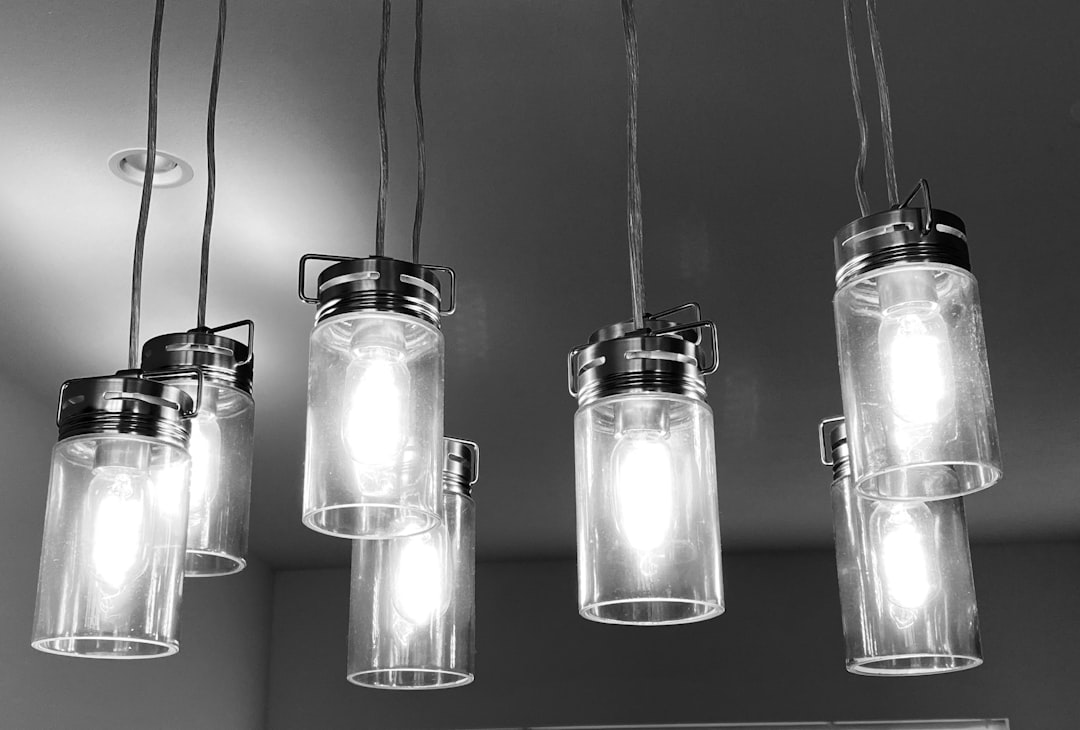
Modern Elegance: Frosted Acrylic Pendant Light with Wavy Base
So, you’re eyeing that frosted acrylic pendant light with a wavy base and wondering if it’s the right fit for your space? Let’s break it down. In a nutshell, these lights are a fantastic way to add a touch of modern elegance and soft, diffused lighting to almost any room without being over the top. They’re versatile, visually interesting, and a smart choice if you’re looking for something a bit different from the usual.
The Allure of Frosted Acrylic
Frosted acrylic is where the magic really begins with these pendant lights. It’s not just about the look, but how it behaves.
What Makes Frosted Acrylic Special?
Unlike clear acrylic or glass, frosted acrylic has a matte, diffused surface. This isn’t just for aesthetics; it’s functional.
- Soft, Even Light Distribution: The primary benefit is its ability to scatter light. Instead of harsh, direct beams, you get a gentle, even glow. This is ideal for creating a comfortable ambiance, whether you’re reading, dining, or just relaxing. Think of it as a built-in dimmer effect, but without the need for an extra component.
- Reduced Glare: Direct light sources can be blinding. Frosted acrylic significantly reduces glare, making it much more comfortable for the eyes. This is especially important in areas where you spend a lot of time or where the light might be directly in your line of sight.
- Modern, Clean Aesthetic: The matte finish inherently lends itself to a modern, minimalist look. It avoids the reflectivity and potential for showing fingerprints that smooth, glossy surfaces can have, maintaining a clean appearance.
- Durability and Safety: Acrylic is a type of plastic, and while it’s not unbreakable, it’s generally more shatter-resistant than glass. This can be a significant advantage, especially in homes with children or pets, or in areas prone to accidental bumps. It’s also lighter than glass, which can simplify installation.
- Cost-Effectiveness: Generally speaking, acrylic is often more affordable than glass or other premium materials, allowing you to achieve a high-end look without breaking the bank.
How Does Frosted Acrylic Differ from Opal Glass?
It’s a common point of comparison, so let’s clarify. Opal glass also diffuses light, but it often has a more opaque, milky appearance and can sometimes feel heavier or more traditional. Frosted acrylic, on the other hand, often retains a subtle translucency that can feel lighter and more contemporary. The texture is also different – acrylic is smooth to the touch, while frosted glass has a subtle grit.
The Unique Charm of the Wavy Base
The wavy base is what elevates this pendant light from simply functional to a statement piece. It’s the detail that catches the eye and adds personality.
What Exactly is a “Wavy Base”?
This refers to the design element where the light fixture meets the suspension cord or ceiling canopy. Instead of a straight, uniform edge, the base has a flowing, undulating contour.
- Organic, Natural Feel: The waves mimic natural forms, like water or sand dunes. This brings an element of organic softness to an otherwise structured object, creating a pleasing visual contrast.
- Sculptural Quality: The wavy design gives the fixture a more sculptural, artistic presence. It’s not just a light; it’s a piece of decor that adds depth and interest.
- Play of Light and Shadow: Depending on the angle of the light source and the ambient light, the wavy base can create subtle, interesting shadows on the ceiling or surrounding surfaces, adding another layer of visual intrigue.
- Modern Yet Timeless: While the wavy base is a distinct modern design element, its organic inspiration gives it a timeless quality that can integrate well into various decor styles beyond strictly minimalist.
How Does the Wavy Base Interact with the Frosted Acrylic?
The combination is key. The smooth, diffused light from the frosted acrylic casts a soft glow, which then interacts with the textured form of the wavy base.
- Highlighting the Form: The gentle illumination can subtly emphasize the contours of the waves, making the base itself a visual feature.
- Softening the Edges: The diffused light prevents any harsh lines or shadows from the wavy base, ensuring the overall effect remains elegant and harmonious.
- Creating a Cohesive Look: The interplay between the soft light and the organic shape results in a unified and sophisticated design.
Where to Place Your Frosted Acrylic Pendant Light
The beauty of this type of pendant is its versatility. It can work in a variety of spaces, adding that touch of modern elegance without being overpowering.
Entryways and Hallways: Setting the Tone
First impressions matter, and the right lighting can make all the difference.
- Welcoming Glow: A frosted acrylic pendant in an entryway provides a soft, inviting light for guests. It’s bright enough to navigate but not so stark that it feels unwelcoming.
- Hallway Ambiance: In longer hallways, a series of these pendants can create a sophisticated, gallery-like feel, guiding people through the space with a consistent, pleasant light.
- Avoiding Shadows: The diffused light helps minimize harsh shadows that can make hallways feel narrower or more imposing.
Dining Areas: Enhancing the Meal Experience
The dining table is a focal point, and the lighting above it should complement, not compete.
- Ambient Dining: A pendant light directly over a dining table creates an intimate atmosphere for meals. The frosted acrylic ensures that the light is soft and flattering to both food and faces.
- Preventing Glare on Tableware: You don’t want the light reflecting harshly off cutlery or glassware. The diffused nature of the frosted acrylic prevents this, making for a more enjoyable dining experience.
- Task vs. Ambiance: While it provides essential light for dining, it also contributes to the overall mood, making it suitable for both everyday meals and special occasions.
Kitchens: Balancing Function and Form
Kitchens need practical lighting, but that doesn’t mean they can’t be stylish.
- Over Islands or Peninsulas: These pendants are excellent for task lighting over kitchen islands or peninsulas. They provide sufficient light for food preparation while adding a touch of modern design.
- Softening Industrial Touches: If your kitchen has more industrial elements, the organic shape of the wavy base and the soft light can provide a nice counterpoint, balancing the harder materials.
- Ceiling Aesthetics: They can be an attractive alternative to recessed lighting, adding visual interest to the kitchen ceiling.
Living Rooms and Bedrooms: Creating Cozy Retreats
Beyond task lighting, these pendants excel at setting a mood for relaxation.
- Reading Nooks: Hung over an armchair or a small reading corner, they provide focused, comfortable light without being harsh.
- Bedside Lighting: As a more stylish alternative to traditional bedside lamps, a pair of these pendants can create a chic and functional bedroom lighting solution.
- Accent Lighting: In larger living spaces, a single, well-placed pendant can act as a subtle accent piece, drawing the eye and adding a layer of sophistication.
Installation Considerations: What You Need to Know
While generally straightforward, there are a few things to keep in mind when installing your new pendant light.
Electrical Basics
This is the most critical part. If you’re not comfortable with basic electrical work, it’s always best to call a qualified electrician.
- Power Source: Ensure the circuit you’re using can handle the wattage of the new fixture. Most pendant lights are low-wattage, but it’s good practice to check.
- Wiring: You’ll need to connect the wires from the pendant light to the corresponding wires in your ceiling junction box (usually black to black, white to white, and green or bare copper for ground).
- Secure Mounting: The ceiling box needs to be rated to support the weight of the fixture. The mounting bracket provided with the light should be securely fastened to the box.
Suspension and Adjustment
Getting the height just right is crucial for both function and aesthetics.
- Ceiling Height: The ideal height depends on your ceiling and where the light is placed. Generally, pendants over dining tables should hang about 30-36 inches above the tabletop. Over kitchen islands, 30-36 inches above the counter is a good starting point. In entryways or hallways, they can hang higher, but ensure they don’t obstruct passage.
- Adjustable Cords: Most pendant lights come with adjustable cords or chains. This allows you to fine-tune the hanging height. Take your time with this step, as it significantly impacts the overall look.
- Leveling: Make sure the fixture hangs straight and level. Small adjustments to the suspension can make a big difference.
Tools You Might Need
- Screwdriver Set: For removing the old fixture and installing the new mounting bracket.
- Wire Strippers/Cutters: To prepare the electrical wires.
- Voltage Tester: To ensure the power is off before you start.
- Ladder: For reaching your ceiling safely.
- Pliers: Can be helpful for manipulating wires.
- Wire Nuts: To securely connect the electrical wires.
Maintenance and Care: Keeping it Looking Its Best
Frosted acrylic is relatively easy to maintain, but a little care goes a long way.
Cleaning the Acrylic Shade
The diffused surface needs a gentle touch.
- Soft Cloth and Mild Soap: The best method is to use a soft, lint-free cloth dampened with a mixture of mild dish soap and warm water.
- Avoid Abrasives: Never use abrasive cleaners, scouring pads, or harsh chemicals. These can scratch the surface or dull the finish of the acrylic.
- Rinse and Dry: Gently wipe down the shade with a clean, damp cloth to remove any soap residue, and then dry it thoroughly with another soft, dry cloth to prevent water spots.
- Dusting: For regular dusting, a dry microfiber cloth is usually sufficient.
Maintaining the Wavy Base
The material of the wavy base can vary (metal, acrylic, etc.), so check the manufacturer’s instructions.
- Metal Bases: If the base is metal, mild soap and water are usually appropriate. For stainless steel, use a cleaner specifically designed for it to avoid streaks.
- Acrylic Bases: Treat acrylic bases the same way you would the shade – with gentle cleaning solutions.
- Check for Loose Parts: Periodically check that the canopy and any decorative elements are still securely attached.
Bulb Considerations
The type of bulb you use will impact the light quality.
- LED Compatibility: Most modern pendant lights are designed for LED bulbs. LEDs are energy-efficient, long-lasting, and come in various color temperatures.
- Color Temperature (Kelvin): For a warm, inviting ambiance, opt for bulbs in the 2700K-3000K range. For a brighter, more neutral light, consider 3500K-4000K.
- Dimmable Bulbs: If you want to control the brightness, ensure you use dimmable LED bulbs and that your existing dimmer switch is compatible.
Why This Design Works: The Synergy of Form and Function
It’s more than just a light; it’s a deliberate design choice that brings together several elements to create a cohesive and appealing aesthetic.
The Balance of Modernity and Organic Flow
This pendant light strikes a perfect balance.
- Sleek and Contemporary: The frosted acrylic and the clean lines often associated with pendant fixtures firmly place it in the modern design category.
- Soothing Natural Influence: The wavy base introduces an element of organic, natural form. This prevents the design from feeling sterile or overly rigid, adding a touch of warmth and visual interest. It’s a subtle nod to nature in an everyday object.
The Art of Diffused Lighting
The way this fixture handles light is a key part of its appeal.
- Creating Ambiance: The frosted acrylic isn’t just about softening the light; it’s about creating a mood. It makes spaces feel more relaxed, intimate, and comfortable.
- Reducing Visual Clutter: By avoiding harsh shadows or direct beams, the diffused light contributes to a cleaner, more organized visual field within a room. This is especially beneficial in smaller or more cluttered spaces.
- Complementary to Decor: The gentle light it emits is generally flattering to most interior decor styles, enhancing rather than competing with the existing elements in your room.
The Wavy Base as a Design Accent
The wavy base isn’t just a structural component; it’s a deliberate design feature.
- A Subtle Statement: It’s sophisticated without being loud. It’s a detail that people notice and appreciate for its originality and artistic touch.
- Adding Texture and Depth: In a world of straight lines and right angles, the undulating form of the wavy base adds a unique textural element and visual depth to the fixture.
- A Conversation Starter: Sometimes, the most effective design elements are those that spark a little curiosity or admiration. This wavy base can certainly do that.
In essence, the frosted acrylic pendant light with a wavy base is a thoughtfully designed fixture that offers a beautiful combination of diffused, comfortable lighting and a unique, modern aesthetic. It’s a practical choice for bringing a touch of understated elegance and organic charm to your home.