
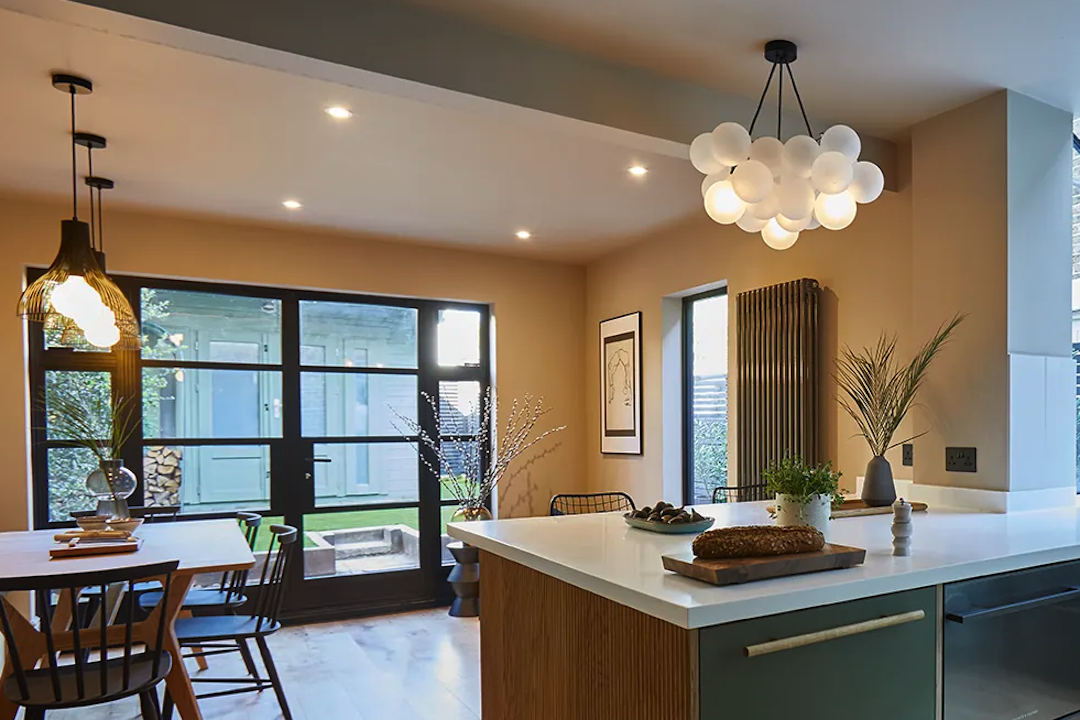
Reviving Room Design with Open Plan Lighting Trends
Thinking about sprucing up your living space and wondering how to make your open-plan areas feel more… well, alive? Lighting is your secret weapon. Forget fancy furniture for a moment; good lighting can transform the mood, functionality, and overall vibe of your open-plan home in a way nothing else can. It’s about more than just seeing where you’re going; it’s about crafting distinct zones, highlighting architectural features, and creating that cozy or energetic atmosphere you’re after. So, yes, you absolutely can revive your room design with open-plan lighting trends. Let’s dive into how.
Open-plan living is brilliant for connecting spaces, but it can sometimes lead to a big, undifferentiated void if you’re not careful. Lighting is crucial in breaking this up and giving each area its own identity and purpose. Without thoughtful lighting, your living room might bleed into your dining area, and your kitchen might feel like it’s just… there. The goal is to create layers of light Casazama that serve different functions and enhance the perception of space, rather than overwhelming it.
Why Open Plan Needs Special Lighting Attention
In a traditional home with separate rooms, lighting is often more straightforward. You have a main light for the lounge, a task light for the kitchen counter, and so on. In an open plan, these needs are combined. You need to be able to cook without shadows, relax in the living area with a warm glow, and perhaps have accent lighting to draw attention to artwork or features.
Avoiding the “Cave” or the “Spotlight” Effect
The biggest pitfalls of poor open-plan lighting are creating areas that feel too dark and uninviting (the “cave”) or areas that feel harsh and overly exposed (the “spotlight”). We want a balanced, inviting atmosphere where each zone feels comfortable and purposeful. This means moving beyond a single overhead fixture.
The Power of Layered Lighting
This is the golden rule. Think about it like painting a picture. You have a base coat, then you add details, shadows, and highlights. Lighting works the same way. You need ambient light for overall illumination, task lighting for specific activities, and accent lighting to create focal points and add depth.
Identifying Functional Zones
Before you even pick out a single lamp, take a good look at your open-plan space and mentally (or even physically, with some tape!) divide it into its functional zones. Where do you eat? Where do you watch TV? Where do you prepare food? Where do you relax with a book? Each of these areas will have different lighting requirements.
Defining the Living Area
This is usually the largest zone and often the heart of the open plan. It needs to accommodate a range of activities, from watching movies to entertaining guests. The lighting should be adaptable, allowing for bright enough light for conversations and dimmer, warmer settings for relaxation.
Marking the Dining Space
The dining area needs a more focused light, typically centered over the table. This light should be inviting for meals and create a sense of occasion, but also be comfortable for other activities that might spill over into this space.
Pinpointing the Kitchen Zone
This is all about functionality. You need bright, shadow-free light for food preparation, cooking, and cleaning. But you also might want to add some softer, warmer lighting to make it feel more integrated with the living space, rather than a purely industrial area.
Considering Other Areas (Home Office, Play Area, etc.)
If your open plan encompasses other specific functions, like a home office nook or a kids’ play area, these will also require tailored lighting solutions. A home office needs good, focused task lighting to prevent eye strain, while a play area might benefit from brighter, more general illumination.
Trending Illumination Strategies for Open Plans
Okay, now that we’ve got the foundational thinking down, let’s talk about the actual trends that are making waves in open-plan lighting. These aren’t just about aesthetics; they’re about smart, adaptable solutions that make your space work better.
Integrated LED Strips: The Seamless Solution
LED strips are incredibly versatile. They can be used to create subtle, indirect light that washes walls, highlights architectural features, or defines the edges of different zones. Their low profile means they can be almost invisible when not in use, and they offer a modern, clean look.
Under-Cabinet and Kickboard Lighting
In the kitchen, LED strips tucked under cabinets provide excellent task lighting without glare, and lighting along the kickboards adds a touch of sophistication and makes the cabinets appear to float. This is particularly effective in contemporary kitchens.
Cove Lighting for Ambiance
Installing LED strips in coving or recessed ceiling details creates a soft, diffused light that washes over the ceiling. This is a fantastic way to provide ambient lighting without a central fixture, making the room feel more spacious and less cluttered. It’s great for creating a warm, inviting glow.
Highlighting Architectural Details
Use LED strips to draw attention to interesting features like shelving, artwork, or textured walls. Running a strip along the edge of a floating shelf, for example, can make your display items pop.
Smart Lighting Systems: The Future is Now
This is where the real magic happens for open plans. Smart lighting allows you to control brightness, color temperature, and even color (if you’re feeling adventurous) of your lights remotely, often via an app or voice commands. This is perfect for adapting your lighting to suit different moods and activities throughout the day.
Creating Scene Presets
Set up different lighting “scenes” for various occasions. You can have a “Morning Wake-Up” scene that gradually brightens the lights, a “Dinner Party” scene with warm, dim lighting, and a “Movie Night” scene with low-level, focused lighting.
Voice Control and App Integration
The convenience of turning lights on or off, or adjusting their settings, with just your voice or a tap on your phone is a game-changer, especially when you’re juggling multiple tasks in an open-plan space. Imagine dimming the living room lights from your dining table without having to get up.
Adaptive Lighting for Circadian Rhythms
Some smart systems can even adjust the color temperature of your lights throughout the day to mimic natural daylight, which can help regulate your body’s natural sleep-wake cycle. Cooler, bluer light in the morning and warmer, redder light in the evening.
The Rise of Statement Pendants
While integrated lighting is great for subtlety, a well-chosen statement pendant light can act as a beautiful focal point and also help to define a specific zone, like the dining area or a kitchen island. It’s about making a deliberate design choice.
Defining the Dining Table
A single, striking pendant hung directly above the dining table is a classic and effective way to anchor the dining zone. The scale of the pendant should be appropriate for the size of the table and the room.
Creating a Kitchen Island Hub
Pendants grouped over a kitchen island not only provide essential task lighting for food preparation but also turn the island into a more inviting social hub. Consider a cluster of smaller pendants or a longer, linear fixture.
Adding Visual Interest and Texture
Statement pendants can introduce a different material, color, or shape into your open plan, adding personality and breaking up any monotony. Think about materials like wood, metal, glass, or even woven textures.
Ambient Lighting Solutions Beyond the Overhead
We’ve touched on cove lighting, but there are other creative ways to achieve ambient light that don’t involve a central, often harsh, overhead fixture. Think about filling the room with a soft, diffused glow.
Floor Lamps with Diffusers
A well-placed floor lamp with a large shade or a diffuser can cast a gentle, ambient light across a corner of the room, creating a cozy reading nook or simply softening the overall light. Look for ones that direct light upwards and outwards.
Table Lamps for Warmth
Don’t underestimate the power of table lamps. Placing them on side tables or console units adds pools of warm, inviting light. They’re perfect for creating a relaxed atmosphere in the evening.
Wall Sconces for Subtle Illumination
Wall sconces can provide a soft, upward or downward glow, adding a layer of ambient light without taking up floor or table space. They are particularly effective in hallways that open into living areas or along long walls.
The Importance of Dimmers Everywhere
This is less of a trend and more of a fundamental principle that is increasingly being applied thoughtfully. Dimmers allow you to adjust the intensity of almost any light source, giving you complete control over the mood and functionality of your space.
Making Every Light Source Adaptable
From your main ambient lights to your task lighting, installing dimmers wherever possible is key. This allows you to dial down the brightness for relaxation or ramp it up for specific activities.
Creating Gradual Light Transitions
Dimmers allow for smooth transitions between different light levels. This is far more pleasing to the eye than abrupt on/off switches. It helps to avoid jarring changes in atmosphere.
Designing for Multi-Functional Spaces
Open-plan living is all about maximizing flexibility. Your lighting needs to do the same. It should be able to shift and adapt as your needs change throughout the day or for different occasions.
Task Lighting: The Unsung Hero
Good task lighting is essential for making your open plan truly functional. It ensures that you can perform specific activities without straining your eyes or working in shadow.
Kitchen Workspace Illumination
Beyond under-cabinet lighting, consider focused lights over the hob and sink. Swiveling spotlights or strategically placed downlights can be very effective.
Reading Nooks and Desk Areas
A dedicated floor lamp beside an armchair or a desk lamp for your home office is crucial for comfort and productivity. Adjustable arms on these lights are a bonus.
Crafting Zones for Hobbies
If you have a hobby that requires good light, like sewing or painting, ensure that area has its own dedicated, bright task lighting.
Accent Lighting: Highlighting Your Style
Accent lighting isn’t just about illuminating objects; it’s about drawing the eye and adding visual interest. It can make your open plan feel more curated and sophisticated.
Spotlighting Artwork and Collectibles
Use small, adjustable spotlights to highlight your favorite pieces of art or decorative items. This turns them into focal points and adds depth to the room.
Architectural Feature Accentuation
Did you install a beautiful textured wallpaper or a stunning exposed brick wall? Use accent lighting to make it stand out. Uplighting or angled spotlights can create dramatic effects.
Creating a Warm Glow on Shelving
Integrated LED strips or small, directional lights on shelves can illuminate books, plants, and decorative objects, adding warmth and depth to the entire shelving unit.
Ambient Lighting for Mood Setting
This is where you truly create the atmosphere. Ambient light is the general illumination that fills the space, setting the overall mood.
Soft, Diffused Glows
Aim for light sources that diffuse light, like lamps with fabric shades or wall lights that cast light upwards. This avoids harsh shadows and creates a more relaxing environment.
Warmer Color Temperatures
For ambient lighting, particularly in living and dining areas, opt for warmer color temperatures (around 2700K-3000K). This creates a cozy and inviting feel.
The Tech Side: Smart Choices for Smart Homes
The integration of technology into lighting systems is revolutionizing how we approach open-plan design. It’s about more than just convenience; it’s about creating a dynamic and responsive living environment.
Wireless Control and Connectivity
Modern lighting systems are increasingly wireless, making installation easier and offering greater flexibility in placement.
Bluetooth and Wi-Fi Enabled Fixtures
Many smart bulbs and fixtures connect via Bluetooth or Wi-Fi, allowing for control through dedicated apps on your smartphone or tablet.
Hub-Based Systems for Greater Control
For more complex setups, a central smart home hub can integrate all your lighting (and other smart devices), offering more advanced automation and control options.
Color-Changing Capabilities
While not for everyone, the ability to change light colors can add a new dimension to your open-plan space, especially for entertainment or creating specific moods.
Dynamic Ambiance for Entertaining
Imagine setting a subtle, colored glow for a themed party or a vibrant, energetic light for a gathering.
Mood Enhancement for Relaxation
A soft, warm, amber light can be incredibly soothing for winding down in the evening.
Energy Efficiency and Longevity
LED technology, especially when integrated into smart systems, is incredibly energy-efficient and has a long lifespan, making it a sustainable and cost-effective choice.
Reducing Electricity Bills
The lower energy consumption of LEDs can lead to significant savings on your electricity bills over time.
Lower Maintenance and Replacement Costs
The extended lifespan of LED bulbs means you’ll be replacing them far less often, saving you money and hassle.
Future-Proofing Your Open Plan with Lighting
As your needs evolve and technology advances, your lighting should be able to keep up. Choosing flexible and adaptable solutions will ensure your open-plan space remains a joy to live in for years to come.
Modular and Expandable Systems
Look for lighting systems that can be easily added to or modified as your needs change. This is particularly relevant for smart lighting.
Adding New Zones or Fixtures
If you decide to reconfigure a part of your open plan, it’s easy to integrate new lights into an existing smart system.
Upgrading Components Over Time
You might start with basic smart bulbs and later upgrade to more advanced fixtures or controllers.
Incorporating Natural Light Wisely
While this article focuses on artificial lighting, it’s crucial to remember how natural light interacts with your space. Good artificial lighting should complement, not compete with, natural light.
Maximizing Daylight with Placement
Consider how artificial lights can extend the usability of spaces that might be dimmer during the day, or how they can create a warm glow as daylight fades.
Layering Artificial Light for Sunset
As the sun sets, gradually introduce your artificial lighting to create a smooth transition from daylight to evening ambiance.
Consulting Professionals for Complex Designs
For larger or more complex open-plan renovations, don’t hesitate to consult with a lighting designer or interior architect. They can offer expert advice tailored to your specific space and needs.
Tailored Lighting Plans
A professional can create a bespoke lighting plan that addresses all your functional and aesthetic requirements.
Technical Expertise and Product Recommendations
They can also guide you through the often-overwhelming array of products and ensure your system is technically sound.
So, there you have it. Reviving your open-plan room design with lighting trends is entirely achievable. It’s about understanding the distinct needs of each zone, layering light sources effectively, and embracing the smart, adaptable solutions that are readily available. By thinking strategically about your lighting, you can transform your open-plan home from a large, undifferentiated space into a series of comfortable, functional, and beautifully illuminated areas that truly enhance your lifestyle.