
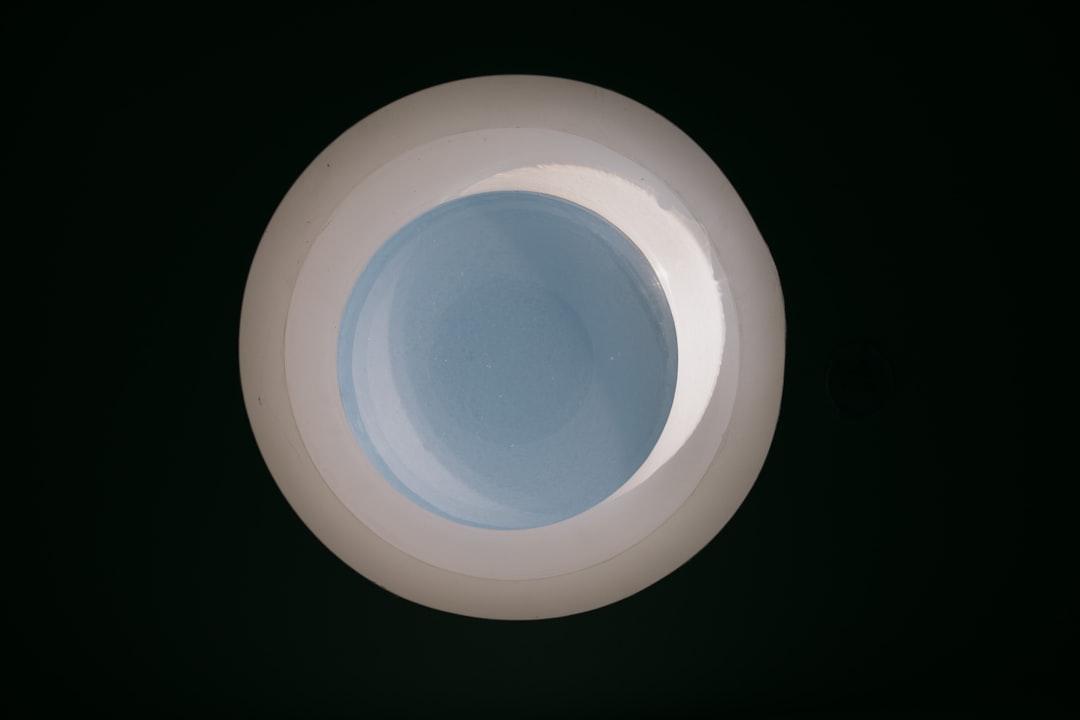
Soft Glow: Translucent Ceramic Wall Lamp
This article provides an objective overview of the “Soft Glow: Translucent Ceramic Wall Lamp.” It examines its design, materials, manufacturing process, functional applications, and broader implications within contemporary lighting and interior design. The purpose is to equip the reader with a comprehensive understanding of this specific product and its place in the market.
The “Soft Glow” lamp adheres to a design philosophy prioritizing understated elegance and functional integration. Its aesthetic is a deliberate departure from ornate or overtly decorative lighting fixtures, instead focusing on subtle visual impact and effective illumination.
Minimalism and Form Language
The lamp’s form language is characterized by its minimalist approach. It typically features clean lines and a simple, geometric silhouette. The absence of extraneous details contributes to its timeless appeal, allowing it to complement a wide range of interior styles without imposing a dominant aesthetic. Think of it as a quiet collaborator in a room’s visual narrative, rather than a leading actor. The form often takes inspiration from fundamental geometric shapes – spheres, cylinders, or modified rectangular prisms – distilled to their essential elements. This reductionist approach ensures that the lamp’s presence is felt through its light rather than its physical bulk.
Translucency and Light Diffusion
A core design principle of the “Soft Glow” lamp is its reliance on translucent ceramic to diffuse light. This material choice is not merely aesthetic but instrumental in achieving the lamp’s characteristic “soft glow.” The ceramic acts as a natural filter, scattering the light emitted from the internal source, thereby mitigating harsh shadows and glare. This controlled diffusion creates an ambient illumination that is both comfortable and visually appealing. Consider the difference between direct sunlight and light filtered through a sheer curtain; the ceramic performs a similar function, softening the light’s intensity.
Integration with Architectural Spaces
The design considerations extend to the lamp’s integration into architectural environments. Its wall-mounted nature positions it as an intrinsic component of a room’s structure. The form factor is often shallow, minimizing its projection from the wall and allowing it to recede visually when not illuminated. This thoughtful integration aims to create a cohesive lighting scheme where the fixtures become less obtrusive and more foundational to the overall atmosphere. The lamp aims to be part of the wall, rather than an object placed upon it.
Materials and Manufacturing Process
The construction of the “Soft Glow” lamp involves specific material selection and manufacturing techniques that are crucial to its performance and aesthetic qualities.
Ceramic Composition and Properties
The primary material is a specialized ceramic, formulated to achieve optimal translucency and durability. This is not
your everyday earthenware; the composition often includes specific proportions of kaolin, feldspar, and quartz, alongside other finely ground minerals. The precise blend dictates the ceramic’s ability to transmit light while maintaining structural integrity. Key properties include:
- Translucency: This is the defining characteristic. The ceramic allows a portion of light to pass through while scattering the remainder, creating a diffused effect. The degree of translucency can vary depending on the ceramic’s thickness and composition.
- Thermal Resistance: The ceramic must withstand the heat generated by the internal light source without degradation or discoloration. Ceramic’s inherent high thermal resistance makes it suitable for this application.
- Durability: The finished ceramic must be robust enough to endure installation and casual contact without easily breaking or chipping. Its hardness contributes to its longevity.
- Surface Finish: The ceramic often features a matte or slightly textured surface. This isn’t merely an aesthetic choice; it can further enhance the light diffusion properties and reduce visual glare from the lamp’s surface.
Fabrication Techniques
The manufacturing process typically involves several stages, each requiring precision and expertise.
- Slip Casting: This is a common method for creating intricate ceramic forms. A liquid clay mixture, known as slip, is poured into a plaster mold. The plaster absorbs water from the slip, causing a layer of clay to solidify against the mold’s interior. Once a sufficient wall thickness is achieved, the excess slip is drained, and the semi-solid form is carefully released from the mold. This method is particularly effective for producing hollow and complex shapes with consistent wall thickness.
- Fettling and Finishing: After de-molding, the raw ceramic piece (known as “greenware”) undergoes fettling. This involves removing mold seams, smoothing surfaces, and refining edges. Any imperfections are addressed at this stage to ensure a flawless final product.
- Bisque Firing: The greenware is then subjected to a preliminary firing in a kiln at relatively lower temperatures (e.g., 900-1000°C). This process, known as bisque firing, hardens the ceramic, making it less fragile and suitable for subsequent handling and glazing. The ceramic remains porous after bisque firing.
- Glazing (Optional/Specific): While “Soft Glow” lamps often celebrate the unglazed, natural finish of the ceramic for maximum translucency, some variations might incorporate a subtle, translucent glaze. If applied, the glaze is typically thin and clear, designed to enhance durability or alter the surface texture without significantly impeding light transmission.
- High Firing (Glaze Firing): If a glaze is applied, the ceramic undergoes a second, higher-temperature firing (glaze firing). This process melts the glaze, adhering it permanently to the ceramic body and creating a vitreous surface. Even without a glaze, the ceramic undergoes a final high-temperature firing to achieve its full strength and density, minimizing porosity and optimizing its translucent quality.
- Light Source Integration: Post-firing, the ceramic shade is combined with the electrical components, including the lamp holder, wiring, and the chosen LED light source. The mounting hardware is also secured. This final assembly phase ensures the lamp’s functionality and safe operation.
Light Source and Performance Characteristics
The type of light source utilized within the “Soft Glow” lamp significantly influences its performance characteristics and overall user experience.
LED Technology
Modern “Soft Glow” lamps almost exclusively employ Light Emitting Diode (LED) technology. This choice is driven by several key advantages:
- Energy Efficiency: LEDs consume significantly less power than traditional incandescent or fluorescent bulbs, resulting in lower energy bills and a reduced environmental footprint. This is a practical consideration for any consumer.
- Longevity: LEDs have a remarkably long operational lifespan, often tens of thousands of hours, effectively minimizing the need for frequent bulb replacement. This reduces maintenance requirements.
- Cool Operation: LEDs generate substantially less heat than traditional light sources. This is beneficial for the ceramic housing, reducing thermal stress, and for the surrounding environment, as it contributes less to room temperature.
- Compact Size: The small physical size of LED components allows for more flexibility in fixture design, enabling the creation of slender and unobtrusive profiles. This directly contributes to the minimalist aesthetic.
- Dimmability: Many LED modules are compatible with dimmer switches, providing users with precise control over light intensity and mood. This versatility enhances the lamp’s functional range.
Color Temperature and Rendering
The quality of light produced by the “Soft Glow” lamp is a critical factor.
- Color Temperature (CCT): Measured in Kelvin (K), color temperature describes the “warmth” or “coolness” of the light. “Soft Glow” lamps often feature LEDs with warmer color temperatures (e.g., 2700K to 3000K). This produces a soft, inviting light that is conducive to creating relaxed and comfortable atmospheres, mimicking the glow of incandescent bulbs. Cooler temperatures (e.g., 4000K-5000K) are also available for environments requiring more neutral or task-oriented illumination. Consider the difference between firelight and daylight; color temperature is the metric for this.
- Color Rendering Index (CRI): CRI measures how accurately a light source renders colors compared to natural daylight. A high CRI (typically 90+) in “Soft Glow” lamps ensures that the illuminated objects and surfaces appear true to their natural colors, preventing a washed-out or artificial appearance. This is important for aesthetic appreciation of interior decor.
Luminous Output and Distribution
- Luminous Output (Lumens): While the “Soft Glow” lamp is designed for ambient rather than direct task lighting, its luminous output is sufficient for its intended applications. The lumen output will vary depending on the specific model and LED module chosen, but it is calibrated to provide a comforting glow without being overly bright or dazzling.
- Light Distribution: The translucent ceramic plays a pivotal role in light distribution. It creates a diffused rather than a focused light spread. The light emanates broadly from the ceramic surface, often with a subtle backlighting effect against the wall, contributing to an overall sense of softness and spaciousness. The light doesn’t punch through the ceramic; it emerges from it.
Functional Applications and Placement
The “Soft Glow” lamp is designed for specific functional applications and thrives in particular placements within interior spaces.
Ambient and Accent Lighting
The primary function of the “Soft Glow” lamp is to provide ambient lighting. It contributes to the overall illumination of a room, establishing a baseline level of brightness that promotes comfort and relaxation. It is not generally intended as the sole source of illumination for functional tasks.
- Mood Creation: The soft, diffused light is highly effective in creating a specific mood or atmosphere. In living rooms, bedrooms, or dining areas, it can contribute to a sense of calm and intimacy. Imagine a room without harsh shadows, where light gently fills the space.
- Layered Lighting Schemes: In sophisticated interior lighting designs, “Soft Glow” lamps often serve as an accent or complementary layer. They work in conjunction with other lighting types (e.g., recessed downlights, task lamps, chandeliers) to create a multi-faceted and flexible lighting environment. They are one instrument in an orchestra of light.
Residential and Commercial Settings
The versatility of the “Soft Glow” lamp allows for its application in both residential and light commercial contexts.
- Residential Use:
- Hallways and Corridors: Providing subtle navigation lighting without overt brightness.
- Bedrooms: As an alternative to bedside lamps, offering a gentle glow before sleep or for subdued evening illumination.
- Living Rooms: Enhancing the general ambiance and providing a visual counterpoint to other light sources.
- Dining Areas: Contributing to a pleasant and conversation-friendly atmosphere.
- Commercial Use:
- Hotels and Hospitality: In guest rooms, lobbies, or corridors, enhancing the inviting and serene atmosphere.
- Restaurants and Cafes: Creating a warm and comfortable dining experience where patrons feel at ease.
- Spas and Wellness Centers: Contributing to a tranquil and restorative environment.
- Boutique Retail: Highlighting specific displays or creating an exclusive shopping experience.
Strategic Placement Considerations
Effective placement of the “Soft Glow” lamp is crucial to maximizing its impact.
- Eye Level Placement: When mounted at or slightly above eye level, the lamp can serve as a decorative element even when unlit, and its softened light source is less likely to cause direct glare.
- Symmetry and Repetition: In longer hallways or larger rooms, arranging multiple “Soft Glow” lamps in a symmetrical or repetitive pattern can create visual rhythm and a consistent wash of light.
- Architectural Feature Enhancement: Placing lamps to graze a textured wall, highlight an architectural niche, or define a pathway can draw attention to specific features and add depth to a space.
- Avoidance of Direct Task Areas: Due to its diffused output, it is generally not ideal for direct task lighting (e.g., reading, intricate work) where focused illumination is required. It is a mood creator, not a headlight.
Maintenance and Longevity
Understanding the maintenance requirements and expected longevity of the “Soft Glow” lamp is important for its long-term viability and user satisfaction.
Cleaning and Care
Given the ceramic material, cleaning the “Soft Glow” lamp is relatively straightforward but requires a gentle approach to preserve its finish.
- Dusting: Regular dusting with a soft, dry cloth or a feather duster is usually sufficient to maintain its appearance.
- Spot Cleaning: For minor smudges or marks, a slightly damp cloth (with water only) can be used. Avoid abrasive cleaners, harsh chemicals, or scouring pads, as these can damage the ceramic surface or affect its translucency.
- Interior Cleaning: If dust accumulates within the lamp, it may be necessary to carefully remove the ceramic shade (if designed for easy removal) to clean the interior and the light source. Always ensure the power is disconnected before undertaking any internal cleaning.
Durability of Ceramic
Ceramic, when properly fired, is a durable material.
- Impact Resistance: While robust, ceramic is susceptible to breakage if subjected to significant impacts or drops. Care should be exercised during installation and when moving furniture around the lamp.
- Temperature Stability: As discussed, the ceramic is thermally stable, designed to withstand the operational temperatures of the internal LED light source without cracking or deteriorating.
- UV Resistance: Ceramic is inherently resistant to UV radiation, meaning the lamp’s color and translucency will not fade or yellow from prolonged exposure to sunlight (though direct, intense sunlight can diminish its visual impact when illuminated).
LED Lifespan and Replacement
The primary factor determining the longevity of the “Soft Glow” lamp as a functional lighting fixture is the lifespan of its integrated LED light source.
- Rated Lifespan: LEDs are typically rated for tens of thousands of hours of operation (e.g., 25,000 to 50,000 hours). This translates to many years of use, even with daily operation.
- Driver Longevity: The LED driver, which regulates the power supply to the LEDs, can sometimes fail before the LED diodes themselves. High-quality drivers are crucial for extending the overall lifespan of the entire unit.
- Replaceable vs. Integrated LEDs: Some “Soft Glow” lamps feature user-replaceable LED modules, allowing for component substitution should the light source fail. Others may have integrated LEDs that are not easily replaceable by the consumer, meaning the entire fixture would need to be serviced or replaced if the LEDs cease to function. This is an important consideration during purchase. Always consult the manufacturer’s specifications regarding LED replacement.
In conclusion, the “Soft Glow: Translucent Ceramic Wall Lamp” represents a deliberate choice in lighting design. Its material integrity, meticulous manufacturing, and adherence to principles of diffused illumination position it as a functional and aesthetically considered element in a diverse range of interior applications. Understanding its characteristics allows for informed selection and appropriate integration into architectural spaces.