
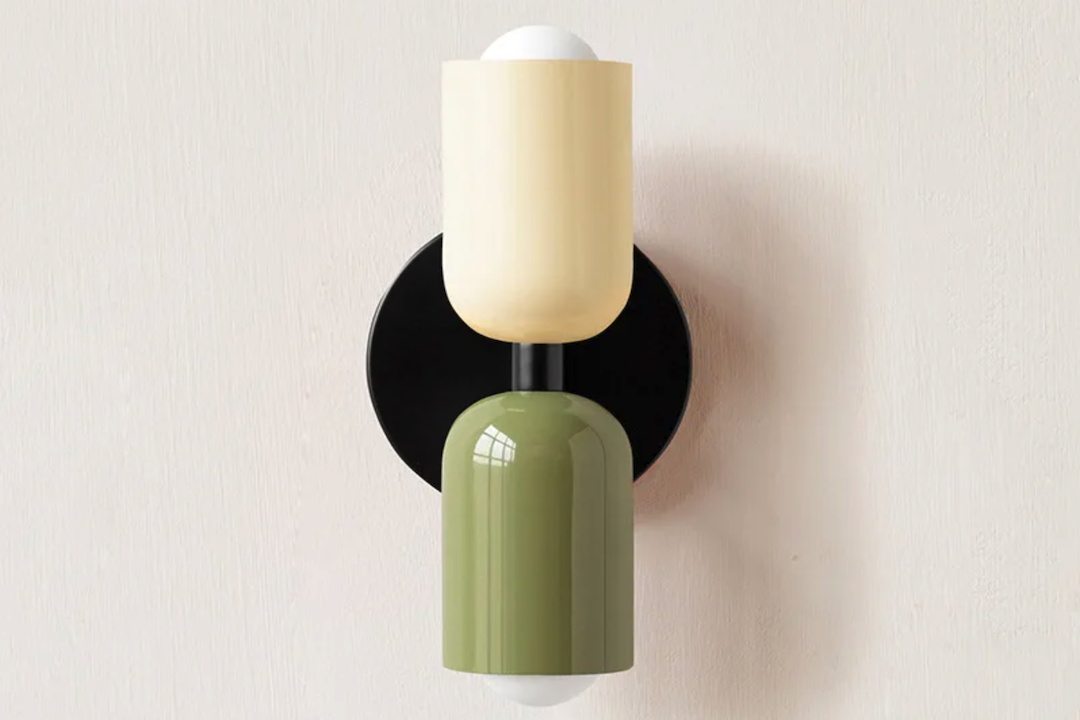
Elegant Bone China Wall Lighting: A Timeless Addition to Your Home
The integration of specialized lighting fixtures can significantly influence internal environments. Elegant bone china wall lighting represents a category of illumination that combines functional light emission with aesthetic material properties. This article explores the characteristics, historical context, and practical considerations associated with bone china wall lighting.
Bone china is a type of porcelain differentiated by its specific material composition and manufacturing process. Its unique properties contribute to its suitability for lighting Aifeellighting applications.
Raw Materials
The primary components of bone china typically include:
- Bone Ash (min. 25%): Historically derived from animal bones, particularly cattle, this ingredient is calcined then ground into a fine powder. Bone ash contributes to the material’s translucency and whiteness. The chemical composition of bone ash is predominantly calcium phosphate.
- Kaolin: A fine, white clay mineral. Kaolin provides plasticity during the formation process and contributes to the final ceramic’s strength and whiteness.
- Feldspar (or Cornish Stone): A mineral group acting as a flux. Feldspar lowers the firing temperature and facilitates the vitrification process, contributing to the material’s density and non-porous nature.
- Quartz (Silica): A common mineral that adds strength and prevents excessive shrinkage during firing.
The precise ratios of these materials vary between manufacturers, influencing the ultimate characteristics of the finished product.
Manufacturing Process
The production of bone china involves several critical stages:
- Body Preparation: Raw materials are carefully weighed, mixed with water, and thoroughly blended to create a uniform slip or plastic body. This step ensures consistent material distribution and minimizes defects.
- Forming: The bone china body is shaped using various techniques, including slip casting (for intricate or hollow forms), jiggering (for plates and bowls), or pressing. For wall light components, slip casting is frequently employed due to its ability to create thin, uniform sections necessary for light transmission.
- Bisque Firing: The formed pieces are fired at a relatively low temperature (typically between 1200°C and 1300°C). This process, known as bisque firing, hardens the material, making it durable enough for subsequent handling and glazing, yet still porous enough to absorb glaze.
- Glazing: A thin layer of glaze, a vitreous substance, is applied to the bisque-fired item. The glaze provides a smooth, impervious, and often lustrous surface.
- Glost Firing (Bone China Firing): This is the crucial, high-temperature firing stage (typically between 1050°C and 1200°C). During glost firing, the body vitrifies, becoming non-porous and translucent, and the glaze melts and fuses to the ceramic body, creating a durable finish. The lower glost firing temperature compared to traditional hard-paste porcelain is a characteristic feature of bone china.
- Decoration (Optional): Designs or patterns may be applied either under-glaze (before glost firing) or over-glaze (after glost firing), followed by further specialized firing processes if required to set the decoration.
- Quality Control: Finished pieces undergo rigorous inspection to identify flaws in form, glaze, or translucency.
Distinctive Properties
Bone china possesses several characteristics that make it suitable for lighting applications:
- Translucency: This is the most defining feature. When thin, bone china allows light to pass through, creating a soft, diffused glow. This property is directly attributable to the bone ash content and the specific firing schedule. Imagine the material as a delicate filter, softening harsh light into a gentle luminescence.
- Whiteness: Bone china is renowned for its bright, creamy white appearance, even without additional glazes. This inherent whiteness allows it to render transmitted light accurately without introducing color distortion.
- Strength and Durability: Despite its delicate appearance, bone china is known for its high mechanical strength and chip resistance compared to other porcelains. This durability is important for fixtures that may experience routine cleaning or incidental contact.
- Smooth Surface: The glazed surface is non-porous and smooth, facilitating easy cleaning and preventing the accumulation of dust, which could otherwise impede light transmission.
Historical Context and Evolution of Ceramic Lighting
Ceramic materials have been utilized in lighting for centuries, predating electric illumination. Understanding this history provides context for contemporary bone china applications.
Early Ceramic Applications
Before the advent of electricity, ceramics were primarily used for:
- Oil Lamps: Earthenware and terracotta vessels served as containers for oil, holding wicks that produced light. These were functional items, often decorative but not primarily valued for light transmission through the material itself.
- Candleholders: Ceramic candleholders provided a stable base for candles and often incorporated handles for portability. Their opaqueness was not a disadvantage in this context.
The Rise of Electrical Lighting and Ceramic Integration
The late 19th and early 20th centuries marked a significant shift with the widespread adoption of electricity.
- Insulation: Early electrical systems required effective insulators. Porcelain, including various forms of ceramic, proved ideal due to its non-conductivity and strength. This functional application demonstrated ceramics’ utility in new electrical contexts.
- Shades and Diffusers: As electric light sources became brighter, there was a need to diffuse and direct that light. Glass, fabric, and early plastics were used, but ceramics, particularly porcelain, began to be explored for their aesthetic qualities. Their inherent opacity or partial translucency could soften harsh incandescent bulbs.
Bone China’s Entry into Lighting
While bone china emerged in the late 18th century as a premium material for tableware, its application in lighting fixtures became more prominent as manufacturing techniques allowed for thinner, more uniform ceramic components.
- Art Deco and Mid-Century Modern: During these periods, designers appreciated bone china’s clean lines, smooth finish, and ability to emit a warm, diffused light. It aligned with a demand for both functional and aesthetically refined objects in the home.
- Contemporary Design: Today, bone china lighting continues to evolve. Modern manufacturing techniques, including advanced casting and firing control, allow for increasingly intricate designs and thinner sections, maximizing translucency and enabling new forms. Designers often exploit its pristine white surface as a canvas for subtle texture or minimalist forms.
Design Considerations and Aesthetic Impact
The choice of lighting fundamentally shapes the character of a space. Elegant bone china wall lighting offers distinct advantages and contributes to particular aesthetic outcomes.
Form and Functionality
Bone china wall lights are designed to serve both practical and artistic purposes:
- Light Diffusion: The primary functional role is to diffuse light. The translucency of bone china acts as a natural filter, softening the output of an internal bulb. This reduces glare and creates a more comfortable, ambient illumination. Consider the material as a muted whisper compared to the shout of a bare bulb.
- Directional vs. Ambient: Designs can be optimized for different lighting effects.
- Up/Down Lighters: These fixtures direct light upwards and/or downwards, creating architectural interest and highlighting wall textures. The bone china itself provides diffused light in the immediate vicinity of the fixture.
- Omnidirectional Diffusers: Some designs encase the light source, allowing light to emanate from all surfaces of the bone china component, producing a softer, more widespread ambient glow.
- Sculptural Element: Even when unlit, bone china fixtures can serve as sculptural pieces. Their pure white surface, often with subtle textural variations or intricate forms, adds visual interest to a wall. They stand as quiet monuments to craftsmanship.
Aesthetic Qualities
The aesthetic impact of bone china wall lighting is rooted in several key attributes:
- Timelessness: The material possesses an enduring quality. Its clean lines and natural translucency transcend fleeting trends, contributing to a sense of permanence and understated sophistication. It’s less about making a statement and more about providing a consistent, refined presence.
- Warmth and Serenity: The diffused light emitted through bone china typically appears soft and warm, even with cooler-temperature bulbs. This contributes to a sense of calm and serenity, making spaces feel inviting and intimate.
- Versatility: While often associated with modern or minimalist aesthetics, bone china wall lights can complement a range of interior styles. Their neutrality allows them to integrate harmoniously into schemes from traditional to contemporary. They act as a sophisticated accent rather than a dominant feature.
- Visual Texture and Depth: The subtle variations in translucency and the fine grain of the bone china can add a perceptible visual texture without being overtly patterned. This creates a sense of depth and material richness.
Installation and Maintenance
Proper installation and routine maintenance are crucial for the long-term performance and aesthetic integrity of bone china wall lighting.
Installation Practices
Installation should ideally be performed by a qualified electrician to ensure safety and compliance with local electrical codes.
- Location Planning:
- Light Distribution: Consider the intended function of the light. For general ambient lighting, multiple fixtures spaced evenly along a wall may be appropriate. For accent lighting, strategic placement to highlight artwork or architectural features is key.
- Height: The mounting height significantly impacts light spread and visual comfort. Wall lights intended for general illumination are often placed at eye level or slightly above, while those for ambient or decorative purposes might be higher or lower depending on the effect desired.
- Switching: Plan for appropriate switching mechanisms, including dimmers if variable light levels are desired.
- Mounting: Bone china components are typically fixed to a metal or plastic backplate that is secured to the wall. The backplate houses the electrical connections. Ensure that the wall surface is sound and capable of supporting the fixture’s weight.
- Bulb Selection:
- Wattage: Adhere to the manufacturer’s recommended maximum wattage to prevent overheating, which can potentially damage the fixture or shorten bulb life.
- Color Temperature: Choose bulbs with a color temperature that aligns with the desired ambiance (e.g., 2700K-3000K for warm white, 3500K-4000K for neutral white). Bone china tends to soften and slightly warm the light, so cooler bulbs might still appear pleasant.
- LED Compatibility: Modern bone china fixtures are frequently designed for LED bulbs due to their energy efficiency, longevity, and lower heat output. Ensure the chosen LED bulb is compatible with any dimmer switches if installed.
Cleaning and Care
Routine cleaning helps preserve the allure of bone china.
- Dusting: Dust regularly with a soft, dry cloth or a feather duster.
- Wiping: For smudges or light grime, gently wipe the glazed surfaces with a damp cloth moistened with plain water. Avoid abrasive cleaners or harsh chemicals, which can damage the glaze or etch the bone china.
- Drying: Immediately dry any wet surfaces with a clean, soft cloth to prevent water spots, especially in hard water areas.
- Internal Cleaning: Periodically, when changing bulbs, gently wipe the interior surfaces of the fixture with a dry cloth to remove any accumulated dust. Do not apply liquids to electrical components.
- Handling: Always handle bone china with care. While durable, it is still ceramic and can chip or break if dropped or subjected to strong impact.
Longevity and Repair Considerations
Bone china is a durable material, contributing to the longevity of these fixtures.
- Durability: The inherent strength and resistance to chipping of bone china contribute to the fixture’s long lifespan, assuming proper handling and maintenance.
- Replacement Parts: In the event of a mishap, check with the manufacturer for replacement bone china shades or components. For artisanal pieces, repair by a ceramics specialist might be an option for minor chips or cracks, although invisible repairs are challenging.
Environmental and Ethical Considerations
The production and lifecycle of bone china lighting involve environmental and ethical factors that warrant consideration.
Sourcing of Materials
- Bone Ash: Traditionally, bone ash is a byproduct of the meat industry. Ethical concerns can arise regarding the welfare of animals if not sourced responsibly. Some manufacturers may use synthetic alternatives or recycled bone ash, though these are less common.
- Kaolin and Feldspar: These minerals are extracted through mining operations. Responsible sourcing involves minimizing environmental impact at extraction sites, including land reclamation and water management.
Manufacturing Impact
- Energy Consumption: The high-temperature firing processes for bone china are energy-intensive. Manufacturers are increasingly exploring methods to reduce energy consumption, such as more efficient kilns, lower firing temperatures where possible, or utilizing renewable energy sources.
- Waste Reduction: Efforts are made to minimize waste generated during the slip casting and forming processes. Unfired clay can often be reprocessed. Glaze waste also needs careful management.
- Water Usage: Water is used extensively in body preparation and cleaning. Water recycling and efficient usage are important considerations.
Product Lifespan and End-of-Life
- Durability and Longevity: The inherent durability of bone china contributes to a long product lifespan, reducing the frequency of replacement and thus minimizing overall waste compared to less robust materials. This inherent longevity aligns with principles of sustainable consumption.
- Recyclability: While bone china is a ceramic, its specific composition (including bone ash) can make it challenging to recycle through conventional ceramic recycling streams. Research into effective methods for repurposing or recycling bone china at its end-of-life is ongoing but not widely implemented.
- Repairability: The potential for repair (e.g., replacement shades) can extend the product’s functional life, further reducing waste.
Ethical Production
- Labor Practices: Responsible manufacturers adhere to fair labor practices throughout the production chain, from raw material sourcing to manufacturing workshops.
- Transparency: Consumers are increasingly seeking transparency from brands regarding their sourcing, manufacturing processes, and commitment to environmental and ethical standards. Some manufacturers provide details about their sustainability initiatives.
Choosing bone china wall lighting involves an appreciation for its unique material properties and the considered impact of its production on broader environmental and ethical landscapes.