
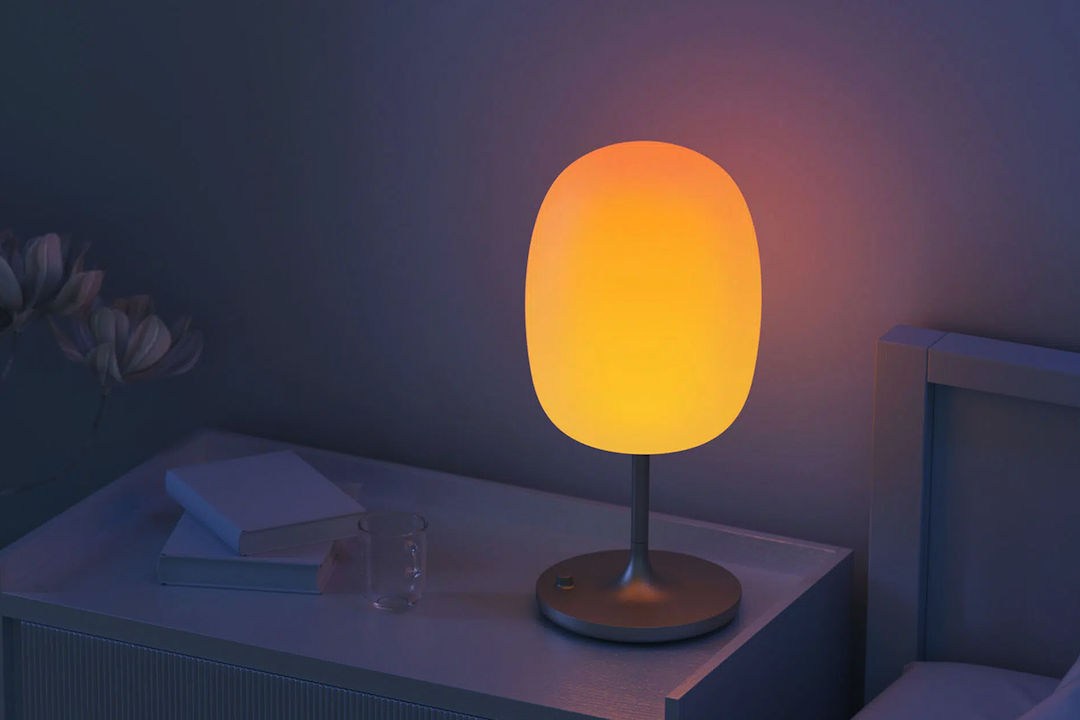
Upgrade Your Bedside Lamp with Smart Wi-Fi Sunrise Simulation
Let’s talk about upgrading your bedside lamp. If you’re looking for a gentler, more natural way to wake up, a smart Wi-Fi sunrise simulation lamp might be just the thing. Essentially, these lamps mimic the natural progression of a sunrise, gradually increasing their light output over a set period before your alarm. This gradual illumination can help regulate your sleep-wake cycle and make mornings feel less jarring.
At its core, a sunrise simulation lamp is a light Manugoo designed to replicate the sun’s slow ascent. Instead of a sudden burst of light, it begins with a dim red or orange hue and progressively brightens to a natural, warm white light, simulating dawn.
The Gradual Light Progression
The key feature is the gradual increase in brightness. You’ll typically set a wake-up time, and the lamp will begin to illuminate anywhere from 10 to 60 minutes prior. This extended period allows your body to naturally transition, signaling that it’s time to wake up.
Light Spectrum and Color Temperature
Unlike regular lamps that might just emit white light, sunrise simulators often incorporate a range of colors. They start with warmer tones, like red and orange, which are associated with twilight. As the wake-up time approaches, the light shifts towards cooler, brighter whites, similar to daylight. This mimics the natural spectrum of sunlight.
Connection and Control
The “smart Wi-Fi” aspect means you can connect these lamps to your home network. This allows for control via a smartphone app, voice assistants (like Alexa or Google Assistant), or sometimes even a dedicated remote. This connectivity opens up a lot of customization options.
Benefits Beyond Just Waking Up
While waking up might be the primary reason you’re considering one of these lamps, the benefits can extend further. A well-designed sunrise simulator can influence your mood, energy levels, and even your sleep quality.
Improved Mood and Reduced Grogginess
Waking up to harsh alarms can sometimes leave you feeling disoriented and frankly, grumpy. The gentle light introduction can help regulate your circadian rhythm, leading to a smoother transition from sleep to wakefulness. This can translate into a more positive start to your day and less of that “hit by a truck” feeling.
Potential for Better Sleep Quality
While the primary function is waking up, the ability to use the lamp as a gentle wind-down light in the evening can also be beneficial. Some lamps offer a sunset simulation mode, where the light gradually dims and turns warmer, helping to signal to your body that it’s time to prepare for sleep. A consistent sleep-wake cycle, supported by both sunrise and sunset simulations, can contribute to more restful sleep.
Creating a Calming Environment
The ability to control the light color and intensity allows you to create a more ambient and relaxing atmosphere in your bedroom. This can be helpful for reading before bed, or simply for winding down after a long day. It moves beyond just a functional light source to something that enhances the overall feel of your space.
Key Features to Look For
When you’re browsing for a smart Wi-Fi sunrise simulation lamp, several features will distinguish a good option from a mediocre one. Think about what you actually need and how you want to interact with the device.
Customizable Wake-Up Times and Durations
Not everyone needs the same amount of time to wake up. Look for lamps that allow you to set multiple alarms at different times and choose how long the sunrise simulation lasts. Some offer short durations, while others provide for a more extended, gradual wake-up experience.
Variable Light Intensity and Color Options
The range of brightness and color temperatures is crucial. A good lamp will offer a wide spectrum, from very dim, warm tones to bright, cool whites. This allows you to fine-tune the experience to your personal preference and the natural light conditions outside.
App Control and Smart Home Integration
For a “smart” lamp, seamless app control is essential. This usually means the ability to set alarms, adjust settings, and control the light directly from your phone. Integration with voice assistants is a bonus if you’re already invested in a smart home ecosystem.
Sound Alarm Options (or Lack Thereof)
While the light is the star, many lamps also include a sound alarm. Consider if you want this as a backup or if you prefer to rely solely on the light. Some offer a selection of natural sounds, while others might have more traditional alarm tones. If you’re sensitive to sound, confirm if the sound can be disabled.
Snooze Functionality
This is pretty standard, but worth checking. A good snooze function should allow you to press a button or use the app to get a few extra minutes of sleep without disrupting the sunrise simulation entirely.
Setting Up and Using Your Smart Lamp
Getting one of these lamps up and running is generally straightforward, but understanding the setup process can help manage expectations. It’s not usually rocket science, but there are a few steps involved.
Initial Pairing and Wi-Fi Connection
The first step is typically downloading the manufacturer’s app and following the on-screen instructions to connect the lamp to your home Wi-Fi network. This usually involves putting the lamp into pairing mode and entering your Wi-Fi password.
Configuring Wake-Up Settings
Once connected, you’ll use the app to set your desired wake-up time(s). This is where you’ll also specify the duration of the sunrise simulation and the starting and ending light colors. Some apps allow for more advanced scheduling if you have different wake-up times on weekdays and weekends.
Exploring Advanced Features
Beyond basic alarm settings, delve into the app to see what else is available. This could include:
- Sunset Simulation: Setting a nightly wind-down routine with dimming, warming light.
- Mood Lighting: Using the lamp as an ambient light for reading or relaxation, with various color and brightness presets.
- Integration with Other Smart Devices: If your lamp supports it, connect it to your smart home assistant for voice control.
- Firmware Updates: Manufacturers often release updates to improve functionality or add new features, so keeping the app and lamp updated is a good idea.
Troubleshooting Common Issues
If you encounter problems, the most common culprits are:
- Wi-Fi Connectivity: Ensure your Wi-Fi signal is strong enough in the bedroom. Try rebooting your router if necessary.
- App Permissions: Make sure the app has the necessary permissions on your phone (like location services, which are sometimes required for Wi-Fi setup).
- Lamp Reset: Most lamps have a way to reset them to factory defaults if all else fails. Consult your manual for specific instructions.
Who Might Benefit Most?
This type of lamp isn’t necessarily for everyone, but there are certain groups and individuals who tend to find them particularly useful. Consider if any of these descriptions sound like you.
Shift Workers and Irregular Schedules
For those who work non-traditional hours, a sunrise simulation lamp can be a lifesaver. It helps create a consistent wake-up cue regardless of whether it’s dark or light outside, which can be particularly useful for those struggling to maintain a routine due to fluctuating work hours.
People Sensitive to Light and Sound Alarms
If loud noises or sudden flashes of light cause you stress or anxiety, the gradual nature of a sunrise simulation is a much gentler alternative. It offers a more peaceful start to the day, which can make a significant difference in your overall morning experience.
Individuals Seeking an Improved Sleep-Wake Cycle
Anyone looking to better regulate their natural sleep-wake cycle (circadian rhythm) can benefit. This includes people who struggle with seasonal affective disorder (SAD), those experiencing jet lag, or simply anyone who wants to feel more in sync with their body’s natural rhythms.
Those Who Dislike Traditional Alarms
Simply put, if you dread the sound of your alarm clock, this is a compelling alternative. Moving away from a jarring auditory cue to a more visual and gradual one can transform your morning routine from something to be endured to something that feels more natural and even pleasant.
Homebodies and Those Who Work From Home
For individuals who spend a lot of time at home, especially if they work remotely, maintaining a clear distinction between sleep time and wake time can be challenging. A sunrise alarm can act as a clear signal that the day has begun, helping to establish a sense of structure and routine.
Seniors and Those with Mobility Issues
For older adults or individuals with certain health conditions, a gentle wake-up can be important. The visual cue of the light is often easier to perceive than a sound alarm, and it can contribute to a more comfortable and less disorienting morning experience.
Parents of Young Children
While the primary beneficiary is usually the individual, parents can also gain from a less disruptive wake-up. A gentler start to the day can mean less stress for everyone involved, especially when small children are also waking up. A calm parent often leads to a calmer household.
Considerations and Potential Downsides
While there are many advantages, it’s also important to be realistic about what these lamps can (and cannot) do. A balanced perspective is always helpful.
Cost
Smart Wi-Fi sunrise simulation lamps are generally more expensive than standard bedside lamps. The technology involved, the app development, and the quality of the LEDs all contribute to a higher price point. You’re paying for the added features and functionality.
Dependent on App and Connectivity
If your Wi-Fi is unreliable, or if you prefer not to use smartphone apps for control, you might find the “smart” aspect a hindrance rather than a help. While most have some manual controls, the full range of features is usually accessed through the app.
Potential for Over-Reliance
Some people might become so accustomed to the gentle wake-up that they struggle to wake up with a traditional alarm if the smart lamp is unavailable for any reason. It’s worth considering how you might manage if there’s a power outage or a technical glitch.
Varying Build Quality and Bulb Lifespan
As with any electronic device, the quality can vary significantly between brands. Some lamps might have cheaper materials, less responsive apps, or LEDs that don’t last as long as advertised. Reading reviews is crucial here.
Not a Substitute for Good Sleep Hygiene
It’s important to remember that a sunrise simulation lamp is a tool to help you wake up more pleasantly. It’s not a magic bullet for underlying sleep problems. If you are consistently struggling with sleep, it’s important to address those issues with good sleep hygiene practices and potentially consult a healthcare professional. The lamp can complement good habits, but it cannot replace them.
Light Intensity May Not Be Sufficient for All
While the light can be quite bright, it might not be intense enough for individuals who need a very strong stimulus to wake up, especially if they are deep sleepers or have certain sleep disorders. The effectiveness can depend on individual sensitivity and the specific lamp model.
Aesthetic and Design Choices
The design of these lamps can be somewhat utilitarian, focused on functionality. If you have a very specific interior design aesthetic, finding a sunrise simulator that seamlessly fits into your decor might require some searching. Many prioritize function over form.