
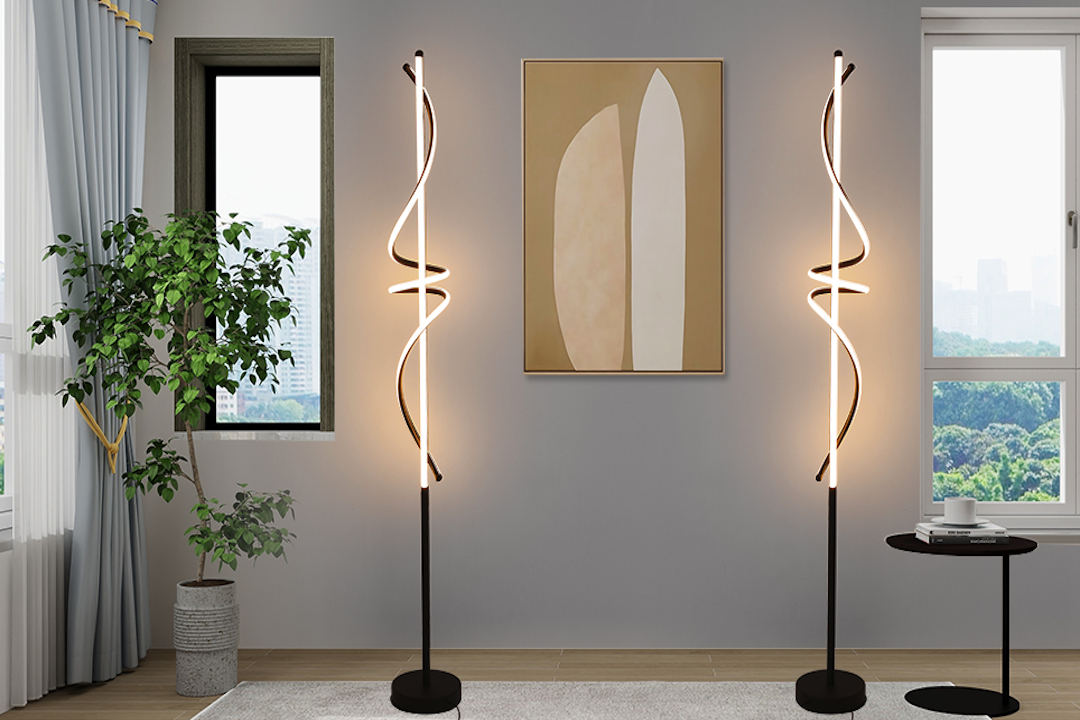
Enhance Your Living Room with a Modern Spiral LED Floor Lamp
So, you’re looking to spruce up your living room, and a modern spiral LED floor lamp has caught your eye? Great choice! These lamps aren’t just about lighting a corner; they’re a statement piece that can truly elevate your space. Essentially, a modern spiral LED floor lamp is a light fixture designed with a distinctive, often sculptural, helical shape, incorporating energy-efficient LED technology for both illumination and aesthetic appeal. They’re a fantastic way to add contemporary flair and practical lighting all in one go.
Let’s be real, our living rooms are the heart of our homes. It’s where we unwind, entertain, and generally live life. So, making it both comfortable and stylish is key. A spiral LED floor lamp Aijolighting can play a huge role in achieving that.
More Than Just Light: A Sculptural Element
Think of these lamps less as a purely functional item and more as a piece of art. The spiral design itself is often quite visually striking, turning an everyday object into a focal point. It adds a touch of modern sophistication without being overbearing.
Energy Efficiency You’ll Appreciate
LEDs are the gold standard for energy efficiency these days. This means lower electricity bills for you, which is always a bonus. Plus, they have a remarkably long lifespan, so you won’t be changing bulbs constantly. That’s a win-win in our book.
Versatility in Design and Placement
You might picture a very specific look, but spiral LED lamps come in a surprising array of styles, finishes, and sizes. This means there’s likely one out there that will fit seamlessly with your existing decor, whether minimalist, industrial, or even a bit eclectic. And because they’re floor lamps, you have flexibility in where you put them.
Key Features to Look For When Shopping
When you’re ready to dive into the world of spiral LED floor lamps, it’s helpful to know what features are out there. This way, you can narrow down your options and find something that truly suits your needs and preferences.
Dimmable Options for Perfect Ambiance
This is a big one. The ability to dim your light is incredibly useful. Want bright light for reading? No problem. Need a soft glow for a movie night? You got it. Dimmable features allow you to tailor the lighting to any mood or activity, transforming the feel of your room instantly.
Color Temperature: Warm or Cool?
LEDs aren’t just “white light.” They come in different color temperatures, usually measured in Kelvin (K).
- Warm White (around 2700K-3000K): This mimics traditional incandescent bulbs, offering a cozy, inviting glow. Great for relaxation or creating a softer atmosphere.
- Neutral White (around 3500K-4500K): A good all-rounder, providing clear light without being too yellow or too blue. Ideal for everyday activities.
- Cool White (around 5000K-6000K): Brighter and more invigorating, often used in task lighting or to create a more modern, crisp feel.
Consider what kind of atmosphere you want to create in your living room before making a decision. Some lamps even offer adjustable color temperature, giving you the best of both worlds.
Smart Home Integration and Controls
If you’re already plugged into the smart home ecosystem, you might want a lamp that plays nice. Many modern spiral LED lamps can be controlled via apps, voice assistants (like Alexa or Google Assistant), or even smart dimmer switches. This adds a layer of convenience that can be really appealing. Imagine turning your lamp on or off without even getting up from the couch!
Materials and Finishes: Matching Your Decor
The base and body of the lamp contribute significantly to its overall look.
- Metals: Brushed nickel, chrome, matte black, or brass are popular choices, offering anything from sleek industrial to classic elegance.
- Acrylic/Plastic: Often used for the spiral diffuser itself, allowing for a seamless, illuminated look.
- Wood Accents: Some designs incorporate wooden elements for a touch of warmth and natural appeal.
Think about the existing materials and colors in your living room to choose a finish that complements rather than clashes.
How to Integrate a Spiral LED Lamp into Your Living Room Design
So you’ve chosen your lamp, now where do you put it? And how do you make it look like it belongs, not just stuck in a corner?
Strategic Placement for Maximum Impact
Location is everything. Don’t just plonk it down. Consider the flow of your room and what you want to highlight.
- Next to a Sofa or Armchair: This is a classic spot for reading light and can anchor your seating area.
- In an Empty Corner: A spiral lamp can fill an otherwise unused space, adding visual interest and breaking up monotony.
- Behind a Statement Plant: The light can beautifully illuminate foliage, creating interesting shadows and a dramatic effect.
- As a Room Divider: In an open-plan space, a tall, sculptural lamp can subtly define different zones without creating a solid barrier.
Think about how the light will spread and what the lamp will look like even when it’s turned off.
Complementary Decor and Color Schemes
A modern spiral LED lamp, by its nature, leans towards contemporary design.
- Minimalist: These lamps thrive in minimalist settings, where their clean lines and sculptural form can truly shine without competition. Stick to neutral color palettes and uncluttered surfaces.
- Industrial: A lamp with a metal finish (especially black or brushed steel) can fit right in with exposed brick, concrete, and raw materials.
- Eclectic: Don’t shy away from mixing styles. A sleek spiral lamp can provide a modern counterpoint to vintage furniture or bohemian textiles, creating a curated, layered look.
- Contemporary: This is a natural fit. Think clean lines, geometric shapes, and a balanced mix of textures.
The key is to create harmony. If your lamp is a bold statement, let it be the star and keep other elements simpler. If it’s more subtle, it can support other design features.
Creating Layers of Light
Good lighting design isn’t just about one central overhead fixture. It’s about layers:
- Ambient Lighting: Your general, overall light (often overhead).
- Task Lighting: Specific light for activities like reading or cooking.
- Accent Lighting: Used to highlight specific features or create mood.
A spiral LED floor lamp can act as both task lighting (if positioned next to a chair) and excellent accent lighting, especially if it’s dimmable. Its distinct form also adds decorative ambient light. By combining it with other light sources, you create a dynamic and versatile lighting scheme that makes your living room feel much more sophisticated and inviting.
Maintenance and Care for Your LED Lamp
One of the beauties of LED lamps is how little fuss they are. But a little care goes a long way in keeping them looking their best and performing optimally.
Simple Cleaning Routines
- Dusting: Regular dusting is your best friend. A soft, dry cloth or a duster will do the trick. For trickier crevices in the spiral, a small brush (like a clean paintbrush) can be helpful.
- Wiping Smudges: If you notice fingerprints or smudges on the base or the acrylic diffuser, use a slightly damp cloth with a mild, non-abrasive cleaner (or just water). Always dry thoroughly afterward to prevent water marks.
- Avoid Harsh Chemicals: Stay away from abrasive cleaners, strong solvents, or anything that could scratch or dull the finish of your lamp. When in doubt, read the manufacturer’s cleaning instructions.
Longevity of LED Components
This is where LEDs really shine.
- Long Lifespan: LEDs are designed to last for tens of thousands of hours – far longer than traditional bulbs. This means you likely won’t ever need to replace the “bulb” in your spiral LED lamp, as the LEDs are typically integrated into the fixture itself.
- Heat Management: While LEDs run cooler than incandescent bulbs, proper heat dissipation is still important for their longevity. Most quality LED lamps are designed with internal heat sinks. Ensure the lamp isn’t placed in an enclosed space where heat can build up excessively, though this is rarely an issue with open-design floor lamps.
- Power Surges: Like any electronic device, LEDs can be sensitive to power surges. Consider using a surge protector if your home experiences frequent power fluctuations, especially for higher-end lamps.
Troubleshooting Common Issues
While LEDs are generally reliable, sometimes minor issues can pop up.
- Lamp Not Turning On:
- First, check if the lamp is plugged in securely to a working outlet. Try plugging another device into the same outlet to confirm it has power.
- If it’s connected to a wall switch or a smart system, ensure those are functioning correctly.
- If the lamp has a foot switch or inline switch, check for any damage or loose connections.
- Flickering or Dimming Issues (when not intended):
- This can sometimes be caused by an incompatible dimmer switch if you’re using one that wasn’t designed for LEDs.
- Loose connections within the lamp or at the plug can also cause flickering.
- In rare cases, it could indicate a defect in the LED driver. If the lamp is new, contact the manufacturer.
- Physical Damage:
- If the spiral diffuser or base gets scratched or dented, check if replacement parts are available from the manufacturer. Often, minor scratches can be buffed out with specialized products depending on the material.
For any persistent or complex issues, especially for integrated LED systems, it’s usually best to consult the manufacturer’s support or a qualified electrician rather than attempting extensive DIY repairs that could void a warranty or cause further damage.
Budgeting for Your Spiral LED Floor Lamp
Price ranges can vary quite a bit, from budget-friendly options to high-end designer pieces. Knowing what influences the cost can help you set realistic expectations.
Factors Influencing Price
- Brand Reputation: Well-known lighting brands often command higher prices due to their design, quality control, and warranty offerings.
- Materials Used: A lamp made from solid brass or high-quality brushed aluminum will naturally cost more than one made from lighter alloys or plastic.
- Design Complexity: Intricate spiral designs, unique finishes, or larger sizes can increase the production cost and, subsequently, the retail price.
- LED Technology: Lamps with advanced features like tunable white light (adjustable color temperature), full RGB color options, or highly efficient LED arrays might be pricier.
- Smart Features: Integration with smart home systems, app control, or advanced dimming capabilities often come at a premium.
- Warranty: Lamps with longer warranties often reflect the manufacturer’s confidence in their product quality, which can sometimes be priced into the cost.
Where to Find Good Deals and Quality
- Online Retailers (Amazon, Wayfair, Overstock): These platforms offer a vast selection at various price points. Read reviews carefully to gauge quality and customer satisfaction.
- Specialty Lighting Stores: For higher-end designs and personalized advice, visit a dedicated lighting showroom. You might pay a bit more, but you’re usually assured of quality and expert service.
- Home Goods Stores (IKEA, Target, HomeGoods): You can often find stylish and affordable options here, though the range of features might be more limited.
- Discount and Outlet Stores: Keep an eye out for sales or clearance sections in furniture and home decor stores. You might snag a great lamp at a reduced price.
- Direct from Manufacturer Websites: Sometimes, buying directly can offer better pricing or access to exclusive designs.
Establishing a Realistic Budget
It’s a good idea to consider your overall home decor budget. While you don’t need to break the bank, investing a little more in a quality lighting fixture can pay off in terms of durability, aesthetic appeal, and advanced features.
- Entry-Level (under $100-$150): You’ll find basic spiral designs, often with simple dimming, made from more common materials. Good for introducing the style without a big commitment.
- Mid-Range ($150-$400): This is where you’ll see better material quality, improved LED technology, more advanced dimming, and sometimes smart features. A good balance of style and function.
- High-End ($400+): Expect premium finishes, unique artisan designs, full smart home integration, advanced color temperature control, and often larger, more substantial pieces that truly act as sculptural focal points.
Remember, the goal is to find a lamp that not only fits your budget but also genuinely enhances your living space. Don’t just focus on the lowest price; consider value, durability, and how well it fits your aesthetic vision.
Final Thoughts on Elevating Your Living Room
A modern spiral LED floor lamp isn’t just about lighting; it’s about making a statement, adding a layer of sophisticated design, and infusing your living space with a contemporary vibe. By choosing wisely, considering features like dimming and color temperature, and placing it thoughtfully, you can transform your living room into a more stylish, functional, and inviting environment. It’s truly an investment in both form and function, delivering modern aesthetics alongside the practical benefits of efficient, long-lasting LED technology. Happy lamp hunting!