
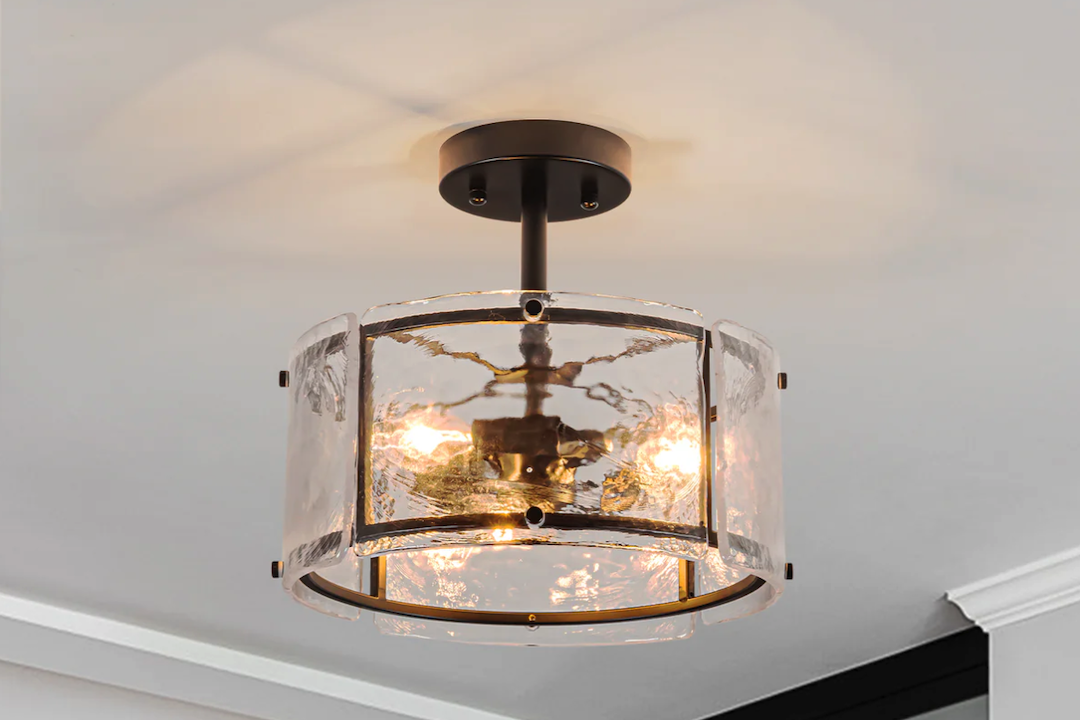
Transitional Drum-Shaped Ceiling Lamp for Breakfast Nook
Ever wondered about that perfect lighting for your breakfast nook? Specifically, a transitional drum-shaped ceiling lamp? You’re in luck, because that’s exactly what we’re diving into. This style of lamp is a fantastic choice for a few key reasons, offering a blend of modern clean lines with a touch of traditional warmth. It’s not just about aesthetics though; it’s about creating a functional and inviting space where you can actually enjoy your morning coffee or a quick bite. Let’s break down why this lamp style might be the unsung hero of your kitchen breakfast area.
When we talk about “transitional” in interior design, it basically means bridging the gap between two styles. For a drum lamp Looou, this usually means taking the simple, cylindrical shape of a modern drum and softening it with elements that feel a bit more classic or approachable. Think less stark and minimalist, more inviting and lived-in.
The Drum Shade’s Core Design
The drum shade itself is, at its heart, a cylinder. It comes in various heights and diameters, but the fundamental shape is consistent. This simple form lends itself well to a range of styles because it’s inherently clean and unobtrusive. It doesn’t have the elaborate frills of some traditional fixtures, nor the sharp angles of some ultra-modern ones.
How “Transitional” Comes into Play
The “transitional” aspect is where the magic happens to make it suitable for a breakfast nook. This can manifest in several ways:
- Material Choices: Instead of just plain white fabric, you might find transitional drum lamps with shades made from natural materials like linen, woven grasses, or even textured paper. These add a layer of warmth and visual interest. Metal finishes on the hardware can also lean transitional – think brushed nickel, oil-rubbed bronze, or even antique brass, rather than polished chrome or matte black.
- Subtle Embellishments: While not overtly decorative, transitional drum lamps might have subtle details. This could be a delicate trim around the top and bottom edges of the shade, a gently curved arm connecting the shade to the ceiling canopy, or a slightly more decorative finial on top.
- Color Palettes: Transitional lamps often feature softer, more neutral color palettes. Off-whites, creams, muted grays, and earthy tones are common. These colors are versatile and can complement a wide range of kitchen décor without feeling overwhelming.
- Light Diffusion: The way the light is diffused is also key. Transitional drum lamps often use frosted glass diffusers at the bottom (and sometimes the top) to soften the light and prevent glare. This is crucial for a breakfast nook where you want pleasant, ambient light for casual meals, not harsh task lighting.
Why This Blend Works for Breakfast Nooks
Breakfast nooks are inherently multi-functional zones. They are often the casual heart of a kitchen, used for sipping coffee, quick breakfasts, homework sessions, or even just a quiet moment before the day begins. A transitional drum lamp hits a sweet spot because it’s functional enough for general illumination but also adds a touch of cozy style. It doesn’t demand attention but rather contributes to the overall welcoming atmosphere.
Functionality in Your Breakfast Nook Lighting
Beyond just looking good, a ceiling lamp in a breakfast nook needs to do its job effectively. This means providing the right kind of light for the space and being practical in its use. A transitional drum lamp often excels here.
Illuminating the Right Way
The primary function of any ceiling light is to illuminate. For a breakfast nook, this isn’t necessarily about bright, focused task lighting, but rather about creating a comfortable and inviting ambiance.
- Ambient Light: Drum shades, especially those with frosted diffusers, are excellent at providing soft, diffused ambient light. This spreads evenly throughout the nook, creating a pleasant glow. This is perfect for casual dining where you don’t want shadows or overly harsh light.
- Avoiding Glare: The cylindrical shape and often opaque or translucent shade material help to shield your eyes from direct bulb glare. This is especially important at breakfast time when you might be looking around the room, not directly at the light source.
Practical Considerations for Daily Use
Think about how you actually use your breakfast nook. Is it a high-traffic area? Do you have small children who might bump into things? These are the practicalities that matter.
- Ceiling Mount Design: Drum lamps are typically flush mount or semi-flush mount fixtures. This means they hang relatively close to the ceiling. This is a major advantage in a breakfast nook, particularly if it’s in a high-traffic area or if you have lower ceilings. It reduces the risk of someone walking into the light or making the space feel more cramped.
- Durability of Materials: While aesthetics are important, the materials should also hold up to everyday life. Fabric shades can be prone to dust, but many transitional designs use durable linens or textured synthetic blends that are easier to clean. Metal components are generally robust.
- Ease of Bulb Replacement: This might seem minor, but it’s a practical win. Most drum lamps have simple mechanisms for accessing the bulbs, often involving screws or a simple twist-off mechanism for the diffuser. This means less fuss when it’s time to change a bulb.
Size and Scale for the Space
One of the most critical aspects of functionality is getting the size right. A drum lamp that’s too large can overwhelm a small nook, while one that’s too small will be ineffective.
- Measuring Your Nook: Before you even start looking, measure the dimensions of your breakfast nook. Consider both the length and width of the area the light will hang over.
- General Guidelines: A common rule of thumb is to look for a drum shade diameter that is roughly half the width of your dining table. For example, if you have a 3-foot wide table, a chandelier or ceiling lamp with a diameter of about 18 inches might work well.
- Height Considerations: For flush or semi-flush mounts, the overall height of the fixture is important. You want enough clearance for people to walk by comfortably if the nook is near a walkway. Aim for at least 7 feet of clearance from the floor to the bottom of the fixture in most cases.
Design Versatility: Blending with Your Kitchen Décor
This is where the “transitional” aspect really shines. A transitional drum lamp isn’t tied to one specific style, making it incredibly adaptable to various kitchen and dining area aesthetics.
Matching Your Existing Color Palette
Breakfast nooks are usually part of a larger kitchen space. The lamp needs to feel cohesive with the surrounding cabinetry, countertops, and wall colors.
- Neutral Foundations: Transitional drum lamps, with their often neutral shade colors (creams, whites, soft grays), act as a blank canvas. They can easily absorb the colors already present in your kitchen without clashing.
- Hardware Harmony: Pay attention to the metal finishes on the lamp. If your kitchen hardware is brushed nickel, opt for a lamp with brushed nickel accents. If you have oil-rubbed bronze faucets, a lamp with similar dark metal tones will create a harmonious look. This small detail makes a big difference.
- Accent Colors: Even if your kitchen has bolder accent colors, a transitional drum lamp won’t fight with them. The neutral shade allows those accents to be the stars, while the lamp provides soft illumination.
Working with Different Cabinet and Countertop Styles
The shape and material of your cabinet doors and countertops play a big role in your kitchen’s overall style, and a transitional drum lamp can bridge the gap.
- Shaker Style Cabinets: These are classic and clean, often leaning towards traditional or modern farmhouse. A transitional drum lamp, especially one with a natural linen shade and simple metal hardware, complements the understated elegance of Shaker cabinets perfectly.
- Slab (Flat Panel) Cabinets: These are inherently modern. A transitional drum lamp can soften their sleekness. Look for shades with a bit of texture or slightly warmer metal finishes to add a welcoming touch without sacrificing the modern aesthetic.
- Granite or Quartz Countertops: Regardless of the specific pattern or color, these materials tend to be sophisticated. A transitional drum lamp adds a layer of comfort and warmth that balances the inherent formality of these surfaces.
Complementing Flooring and Wall Treatments
Don’t forget the rest of the room! Your floor and wall treatments also contribute to the overall feel.
- Wood Floors: Be they light or dark, wood offers warmth. A transitional drum lamp, particularly one with a fabric shade that has visible texture, can echo the natural beauty of wood.
- Tile or Linoleum Floors: Depending on their style, these can lean modern or traditional. A ceramic tile with a geometric pattern works well with a cleaner-lined transitional drum, while a more rustic stone-look tile might pair better with a textured shade.
- Paint and Wallpaper: A transitional lamp is a friend to most wall treatments. If you have a bold wallpaper, the neutral shade will let it shine. If you have simple painted walls, the lamp can add a subtle decorative element.
The “Bridge” Effect
Essentially, the transitional drum lamp acts as a visual bridge. It connects the more structured elements of a kitchen (cabinets, countertops) with the more relaxed function of a dining nook. It’s about creating an inviting transition from preparation to enjoyment, using light as the medium.
Enhancing Ambiance and Mood
Lighting isn’t just about seeing; it’s about feeling. The right light can transform a functional space into a cozy retreat, and a transitional drum lamp is well-equipped for this.
Creating a Cozy Atmosphere
Breakfast nooks are often designed for comfort and lingering. The lighting plays a huge role in achieving this.
- Warm Light Temperatures: Look for lamps that can accommodate bulbs with warm white light temperatures (around 2700K-3000K). This mimics natural candlelight or incandescent bulbs, creating a cozy, inviting glow that’s perfect for relaxed mornings and evenings. Avoid cool, bluish light which can feel sterile.
- Soft, Diffused Illumination: As mentioned, the drum shade is excellent at diffusing light. This prevents harsh shadows and creates an even, gentle light that makes the space feel more intimate and less stark. It’s the difference between eating under a spotlight and dining in a comfortable, well-lit room.
- Layering Light: While the ceiling lamp is the primary source, consider how it works with other light sources. If you have under-cabinet lighting, the drum lamp can complement it, providing overhead ambiance without overwhelming the task lighting. Even a small table lamp on a nearby sideboard can add depth.
Setting the Tone for Different Times of Day
The beauty of a well-chosen light fixture is its adaptability. A transitional drum lamp can help set the mood for various activities.
- Morning Wake-Up: With a warm bulb, the light can be energizing without being jarring, easing you into the day. It’s enough to read a newspaper or check your phone without harsh glare.
- Casual Meals: For breakfast, lunch, or even a quick snack, the diffused light creates a pleasant backdrop. It makes the food look appealing and the company feel comfortable.
- Evening Wind-Down: As the day winds down, the soft glow from a transitional drum lamp can contribute to a relaxing atmosphere. It’s perfect for a late-night cup of tea or a quiet chat before bed.
The Psychological Impact of Light
It’s well-documented how lighting affects our mood and productivity. The soft, welcoming light from a transitional drum lamp can have a positive psychological impact.
- Reducing Stress: Warm, diffused light is often associated with relaxation and comfort, helping to reduce feelings of stress and anxiety.
- Promoting Connection: An invitingly lit nook encourages people to gather and connect. It makes the space feel more like a social hub rather than just a functional area of the kitchen.
- Visual Comfort: Eliminating glare and harsh shadows reduces eye strain and makes the space more visually comfortable and enjoyable for extended periods.
Dimmable Options for Ultimate Control
For true ambiance control, consider a transitional drum lamp that is compatible with a dimmer switch.
- Flexibility: A dimmer allows you to adjust the light intensity to suit any time of day or activity. You can brighten it up for tasks or dim it down for a more intimate feel.
- Energy Savings: When dimmed, bulbs use less energy, which is a nice bonus.
- Creating a Mood: The ability to precisely control the light output gives you complete power over the mood of your breakfast nook, from bright and functional to soft and moody.
Choosing the Right Size and Material
Selecting the correct size and material for your transitional drum lamp is crucial for both its look and its performance. Get this wrong, and even the prettiest lamp can fall flat.
The Importance of Scale
You’ve heard it before, but it bears repeating: scale is everything. A tiny lamp in a spacious nook will look lost, while an oversized one will make the area feel cramped.
- Table-to-Lamp Ratio: The general guideline is that the diameter of your ceiling fixture should be roughly half the width of your table. So, for a 36-inch round or square table, a fixture around 18 inches in diameter is a good starting point.
- Room Dimensions: Consider the overall footprint of your breakfast nook. If it’s an alcove within a larger kitchen, use the nook’s boundaries. If it’s a standalone area, factor in the surrounding space.
- Ceiling Height: For lower ceilings (8 feet or less), flush mount drum lamps are often the best choice to maximize headroom. For higher ceilings, you might have more flexibility with semi-flush mount or even a pendant with a drum shade, though a true drum ceiling lamp is usually designed for lower to average ceiling heights.
Material Matters for Style and Durability
The shade material is arguably the most important element in defining the “transitional” aspect of the lamp and influencing its durability.
- Fabric Shades (Linen, Cotton, Polyester Blends):
- Pros: Offer a soft, diffused light. Linen and textured fabrics add warmth and visual interest. They are a hallmark of traditional and transitional styles.
- Cons: Can accumulate dust more easily and might be harder to clean than other materials. Some lighter fabrics can show the bulb filaments if the diffuser isn’t substantial enough.
- Look for: Tightly woven fabrics for better durability and diffusion. Off-white, cream, or light gray are classic transitional colors.
- Woven or Natural Materials (Rattan, Seagrass, Bamboo):
- Pros: Bring a natural, organic texture into the space, adding warmth and a touch of bohemian or coastal flair, which can fit into a transitional aesthetic.
- Cons: Light can be more unevenly dispersed, and the weave might be more susceptible to snagging. Cleaning can be more specific to the material.
- Look for: Tightly woven patterns that still allow for good light diffusion. These often pair well with simple, clean-lined hardware.
- Acrylic or Frosted Glass:
- Pros: Very durable and easy to clean. Provide excellent light diffusion, creating a smooth, even glow. Can lean modern but also work in transitional settings when paired with the right hardware.
- Cons: Can sometimes feel less “warm” or inviting than fabric, depending on the finish.
- Look for: A matte or frosted finish rather than a clear one to soften the light.
Hardware Finishes: The Devil’s in the Details
The metal components—the base that attaches to the ceiling, any arms, or decorative elements—are vital for tying the lamp into your kitchen’s hardware.
- Brushed Nickel/Satin Nickel: A very popular neutral. It’s less reflective than polished chrome but still offers a clean, modern look that can easily blend with traditional elements.
- Oil-Rubbed Bronze/Black Bronze: A darker, richer finish. It adds a touch of classic elegance and works well with warmer wood tones or darker cabinetry. Looks great with more traditional or farmhouse styles but can also ground a modern space.
- Antique Brass/Brushed Brass: Offers warmth and a vintage feel. It can add a sophisticated touch and pairs beautifully with creamy whites, blues, and even deep greens.
- Polished Chrome: While more strictly modern, a very streamlined transitional drum lamp with polished chrome hardware can work in a transitional kitchen that leans more modern, but be mindful it’s less forgiving.
Considering the Diffuser
Most drum lamps have a diffuser, usually a frosted glass or fabric panel, at the bottom to soften the light. Some might also have one at the top.
- Frosted Glass: Provides excellent, even diffusion and is easy to clean.
- Fabric Diffuser: Adds to the textural quality of the shade but can be harder to clean.
- No Diffuser: Some drum shades are opaque enough not to need one, but this is rarer and can lead to more glare.
By carefully considering these elements, you can select a transitional drum-shaped ceiling lamp that not only looks fantastic but also functions perfectly for your breakfast nook.
Installation and Maintenance Tips
Once you’ve picked out the perfect transitional drum lamp, getting it installed properly and keeping it looking good is the next step. These aren’t overly complicated fixtures, but a few practical tips can save you headaches.
The Installation Process (DIY or Professional?)
Many ceiling lamps, including drum shades, are designed for relatively straightforward installation. However, electrical work can be daunting for some.
- When to Call a Pro: If you’re uncomfortable working with electrical wiring, don’t have the right tools, or the existing fixture box isn’t standard, it’s always best to hire a qualified electrician. Their expertise ensures safety and proper functionality.
- The Basic Steps (for the DIYer):
- Turn off Power: Crucially, locate your home’s breaker box and turn off the power to the circuit where you’ll be working. Double-check by trying to turn on the old light fixture.
- Remove Old Fixture: Unscrew the old light fixture from its mounting bracket. Carefully disconnect the wiring (usually black to black, white to white, and ground to ground/green screw).
- Install Mounting Bracket: The new lamp will come with its own mounting bracket. Screw this securely into the electrical box in the ceiling.
- Wire the New Fixture: Connect the wires from the new lamp to the corresponding wires in the ceiling box, following the manufacturer’s instructions. Use wire nuts to secure the connections.
- Attach the Lamp Body: Carefully connect the lamp body (the drum shade and its internal hardware) to the mounting bracket.
- Install Bulbs and Diffuser: Screw in the appropriate light bulbs and then attach the diffuser panel (if applicable).
- Restore Power and Test: Turn the power back on at the breaker and test your new light fixture.
- Read the Instructions: Every lamp is slightly different. Always defer to the specific installation manual provided by the manufacturer.
Cleaning and Upkeep
Keeping your transitional drum lamp looking its best will prolong its life and maintain its aesthetic appeal.
- Dusting Regularly: This is the most important step! Use a soft microfiber cloth or a feather duster to gently wipe down the shade and any hardware. Do this weekly or bi-weekly to prevent dust buildup.
- Cleaning Fabric Shades: For more stubborn grime or stains on fabric shades, you might need a slightly more targeted approach.
- Spot Cleaning: For small spots, you can try dabbing with a slightly damp cloth (water only, or very diluted mild soap) and then letting it air dry completely. Test this on an inconspicuous area first.
- Vacuum Attachment: A soft brush attachment on your vacuum cleaner can be useful for removing dust from textured fabrics.
- Professional Cleaning: For very delicate or heavily soiled shades, consider consulting a professional upholstery cleaner, though this is usually an extreme measure.
- Cleaning Metal Hardware:
- Microfiber Cloth: For most finishes, a clean, dry microfiber cloth is sufficient for removing smudges and fingerprints.
- Mild Cleaner: If needed, use a very mild, non-abrasive cleaner specifically designed for the metal finish. Always test in an inconspicuous spot. Avoid harsh chemicals or abrasive pads, which can damage finishes like brushed nickel or oil-rubbed bronze.
- Cleaning Glass Diffusers: A standard glass cleaner and a soft cloth or paper towel work well for frosted glass diffusers. Make sure the bulbs are cool before cleaning.
Bulb Considerations
The type of bulb you use can impact both the light quality and energy efficiency.
- LED Bulbs: Highly recommended for their energy efficiency, long lifespan, and variety of color temperatures. Opt for warm white (2700K-3000K) for a cozy breakfast nook.
- Wattage: Check the maximum wattage recommended for your fixture to avoid overheating the shade. LED bulbs use much less wattage than incandescent bulbs, so you can often use higher brightness equivalent LEDs without exceeding the fixture’s limits.
- Shape: Most drum lamps can accommodate standard A19 or globe-shaped bulbs. Ensure the bulb’s shape will fit comfortably within the shade and under the diffuser.
By taking these practical steps, your transitional drum-shaped ceiling lamp will remain a stylish and functional focal point in your breakfast nook for years to come.
Final Thoughts: Is a Transitional Drum Lamp Right for You?
So, we’ve explored the ins and outs of transitional drum-shaped ceiling lamps for breakfast nooks. We’ve looked at what makes them “transitional,” how functional they are, how they blend with décor, how they enhance ambiance, and how to choose and maintain them. The core idea is that this style offers a beautiful balance – it’s accessible, adaptable, and practical, all while adding a touch of curated style to one of your home’s most used casual spaces.
The Blend of Style and Substance
If you’re someone who appreciates a design that doesn’t overtly shout for attention but rather quietly enhances the space, a transitional drum lamp could be your perfect match. It’s not about chasing fleeting trends; it’s about creating a lasting sense of comfort and welcoming charm. The clean lines of the drum shape provide a modern foundation, while the often textural shades and warm metal finishes lend a classic appeal, making it a safe yet stylish bet for a variety of kitchens.
Functionality for Everyday Life
Beyond the aesthetics, the practical aspects are significant. The generally compact design of flush or semi-flush drum lamps is ideal for breakfast nooks, especially those with tight spaces or lower ceilings, while the diffused light creates a pleasant atmosphere for everything from morning coffee to evening relaxation. It’s a fixture that serves its purpose without getting in the way, both literally and figuratively.
The Decision Point
Ultimately, the choice comes down to your personal taste and the specific needs of your breakfast nook. Ask yourself:
- Do I prefer lighting that feels integrated and comfortable, rather than a bold statement piece?
- Is my kitchen décor a mix of styles, or do I want a fixture that can bridge different elements?
- Do I prioritize soft, diffused light for a cozy atmosphere?
- Have I considered the scale and practicalities for my specific space?
If your answers lean towards the affirmative, then a transitional drum-shaped ceiling lamp is definitely worth strong consideration. It’s a workhorse of a fixture that punches above its weight in terms of contributing to a warm, inviting, and stylish breakfast nook. It’s about creating a space where you don’t just eat, but where you linger.